Why Wilpattu National Park belongs on every luxury Sri Lanka itinerary
Wilpattu National Park offers a refined alternative to busier parks sri visitors often choose first. This vast park in northwestern sri lanka stretches across more than 131 000 hectares, yet only a carefully protected area is open to guests. For travellers seeking a quieter national park experience with premium comfort, the balance between conservation and access feels particularly appealing.
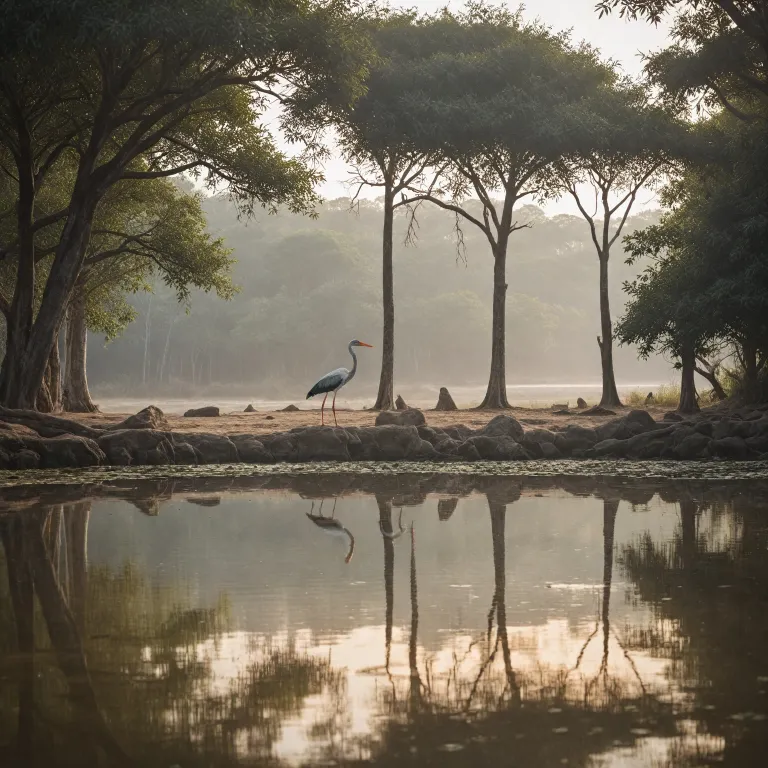
The landscape of wilpattu national park is defined by its famous villus, natural lakes that draw wildlife to the water’s edge throughout the day. These shimmering pools create cinematic safari wilpattu moments, where jeeps pause at a respectful distance while leopards, sloth bears and painted stork share the shoreline. Because access is limited to around a quarter of the park sri authorities can better protect core habitats while still welcoming discerning visitors.
Wilpattu sits between Puttalam and anuradhapura, making it easy to weave into a wider sri lankan cultural and coastal journey. Many guests pair a full day park safari with time among the ancient ruins of anuradhapura or the beaches further south in lanka’s west. For travellers using a luxury hotel as their base, this combination of heritage, wildlife and relaxation creates one of the best high end itineraries in sri lanka.
Unlike some national parks that feel crowded at peak times, wilpattu usually offers a calmer rhythm. Fewer jeeps mean your guide will often linger longer at sightings, allowing more considered photography and quieter observation. This slower pace suits premium travellers who value space, privacy and a deeper connection with the sri lankan wilderness.
Understanding Wilpattu’s wildlife and what sets this national park apart
Wilpattu is renowned among sri lankan naturalists for its rich wildlife and distinctive ecosystem. The park’s 106 villus act as seasonal magnets for animals, making them prime locations for any park safari focused on patient observation. With 41 mammal species and 149 bird species recorded, the national park offers serious depth for wildlife enthusiasts who also appreciate comfort and service.
Endangered species are a major draw, and the Department of Wildlife Conservation notes that “Endangered species in the park include the Sri Lankan leopard, sloth bear, and Asian elephant.” These iconic animals are complemented by more subtle sightings, from the shy sloth bear moving through scrub to the vibrant lankan junglefowl crossing sandy tracks. Painted stork often stand motionless in the shallows, while raptors circle above the lankan canopy in search of prey.
For many guests, the possibility of seeing a leopard is the highlight of any wilpattu safari. The park wilpattu terrain of dense forest and open glades suits these elusive cats, and experienced guides know which area to focus on at different times of day. While leopards are never guaranteed, the thrill of scanning the undergrowth from comfortable jeeps is part of the park sri experience.
Birdwatchers will appreciate how national parks like wilpattu combine forest, scrub and wetland habitats in one protected area. Safari tours often pause for extended birding sessions, especially around villus where painted stork, eagles and lankan junglefowl gather. Luxury travellers can request specialist birding guides, ensuring that both casual observers and serious ornithologists gain maximum value from each day safari.
Choosing the right luxury or premium hotel near Wilpattu National Park
Selecting a hotel near wilpattu national park is a crucial decision for travellers who value comfort as much as wildlife. The region around Puttalam and anuradhapura now offers a growing range of luxury and premium properties, each with different strengths. Some hotels focus on immersive safari wilpattu experiences, while others emphasise spa facilities, fine dining and tranquil lake views.
When evaluating a hotel, consider how closely it aligns with your preferred pace of travel. Guests planning a full day park safari will appreciate properties that provide early breakfasts, flexible check in and late dinners after evening returns. Many premium hotels also coordinate directly with trusted jeeps operators, ensuring that your guide and driver are waiting at reception before sunrise.
Pricing transparency is essential, especially when comparing safari tours that quote in usd person versus sri lankan rupees. A reputable seller will clearly outline what is included, from park sri entrance fees to jeeps, guide services and refreshments. Luxury travellers should look for hotels that provide detailed written confirmations, which help avoid misunderstandings on the day of your wilpattu safari.
Location also matters, because drive times from hotel to park wilpattu gate can significantly affect your day safari experience. Properties closer to the national park entrance allow more time inside the area where wildlife is most active at dawn and dusk. Those staying further away may prefer a mix of half and full day excursions, balancing travel time with relaxation by the pool or spa.
Designing a premium safari day in Wilpattu with jeeps, guides and timing
A thoughtfully planned day safari in wilpattu national park can feel both indulgent and responsible. Most luxury travellers opt for private jeeps, which offer more flexibility in route choice, photography stops and overall pace. Your guide will usually recommend entering the park sri as early as possible, when leopards and sloth bears are more active along the sandy tracks.
Many premium hotels arrange picnic style breakfasts that can be enjoyed at designated rest areas within the national parks network. This allows guests to remain inside the park wilpattu area during prime wildlife hours, rather than exiting for meals. A full day itinerary often includes a longer midday pause near a villu, where painted stork, lankan junglefowl and other birds gather as temperatures rise.
Communication with your guide is vital, especially if you have particular interests such as leopards, birdlife or photography. An experienced sri lankan guide will tailor the route to maximise your chances while respecting park regulations and wildlife welfare. They will also coordinate with other jeeps via radio, sharing information about sightings without creating overcrowded scenes.
Premium travellers should confirm in advance whether their seller includes park safari permits, guide fees and vehicle costs in a single usd person rate. Transparent pricing helps you compare different safari tours and avoid unexpected charges on the day. It also reflects a professional approach that aligns with the conservation goals of wilpattu national and the Department of Wildlife Conservation.
Integrating Wilpattu into a wider Sri Lanka luxury travel itinerary
Wilpattu national park fits naturally into a sophisticated sri lanka itinerary that blends culture, coast and wildlife. Many travellers begin in Colombo or Negombo, then journey north toward anuradhapura before continuing to the park wilpattu region. This route allows guests to experience ancient temples, rural lankan villages and serene reservoirs en route to their hotel.
From anuradhapura, the drive to wilpattu safari lodges typically takes a few hours, depending on road conditions and stops. Some luxury travellers choose to break the journey with a leisurely lunch overlooking a lake or paddy field. This slower style of travel suits guests who value comfort and context as much as ticking off national parks on a list.
After several days in the park sri area, many visitors continue south to the beaches of Kalpitiya or the cultural triangle. This creates a balanced itinerary where intense wildlife days alternate with relaxed coastal or heritage experiences. Throughout, a carefully chosen hotel network ensures consistent service levels, from private transfers to curated day safari excursions.
Travel planners should also consider seasonal patterns when scheduling wilpattu national visits within broader sri lankan journeys. The best periods between February and October often align well with beach stays and cultural touring elsewhere in lanka. By aligning park safari dates with regional weather, you increase the likelihood of comfortable temperatures and rewarding wildlife viewing.
Ethical luxury, conservation and how travellers can support Wilpattu’s future
Luxury and premium travellers to wilpattu national park increasingly seek experiences that align with ethical and environmental values. The Department of Wildlife Conservation and its partners focus on habitat preservation, wildlife monitoring and community engagement across the park sri landscape. By choosing responsible safari tours and hotels, guests can directly support these long term conservation goals.
Wilpattu’s history as one of sri lanka’s oldest national parks underscores its importance for biodiversity. Access is limited to about 25 percent of the total area, protecting core habitats where leopards, sloth bears and elephants roam. This model allows visitors to enjoy high quality day safari experiences while safeguarding sensitive zones from excessive jeeps traffic.
Travellers can contribute by selecting a seller that prioritises trained sri lankan guides, adheres to speed limits and maintains respectful distances from wildlife. Observing a sloth bear or painted stork through binoculars rather than crowding the animal reflects true premium travel values. Hotels that invest in staff training, waste reduction and community projects around anuradhapura and Puttalam further strengthen the lankan tourism ecosystem.
When reviewing usd person rates for wilpattu safari packages, consider how much is reinvested into conservation and local livelihoods. Transparent operators will explain park fees, guide wages and vehicle maintenance costs as part of their park safari pricing. In this way, each full day spent in wilpattu national becomes not only a memorable experience but also a meaningful contribution to sri lanka’s protected areas network.
Key Wilpattu National Park statistics for luxury trip planning
- Total protected area of Wilpattu National Park : 131 693 hectares managed for conservation and controlled tourism.
- More than 100 natural villus, or rain fed lakes, scattered across the park sri landscape.
- At least 41 recorded mammal species, including leopards, sloth bears and elephants.
- Approximately 149 bird species, from painted stork to endemic lankan junglefowl.
- Visitor access restricted to roughly 25 percent of the total area to protect core habitats.
- Optimal periods for a day safari or full day park safari generally fall between February and October.
Essential questions about Wilpattu National Park for discerning travellers
What is the best time to visit Wilpattu National Park ?
The optimal visiting periods are between February and October. During these months, road conditions within the park wilpattu area are usually more reliable, and wildlife tends to concentrate around shrinking villus. Luxury travellers planning a full day safari wilpattu experience will find these seasons offer a strong balance of comfort, visibility and photographic opportunities.
What are “villus” in Wilpattu National Park ?
“Villus” are natural, sand rimmed water basins or depressions that fill with rainwater, unique to Wilpattu. These features define much of the park sri character, drawing leopards, sloth bears, painted stork and lankan junglefowl to their shores. For guests staying in a nearby hotel, many of the most memorable safari tours revolve around quiet hours spent watching wildlife at these shimmering pools.
Which endangered species can be found in Wilpattu National Park ?
Endangered species in the park include the Sri Lankan leopard, sloth bear, and Asian elephant. While sightings can never be guaranteed, experienced sri lankan guides use their knowledge of terrain and animal behaviour to choose the best area for each day safari. With patience, ethical jeeps practices and favourable conditions, many premium travellers leave wilpattu national with unforgettable encounters that respect both animals and habitat.
trustful_expert_quotes: Department of Wildlife Conservation, Sri Lanka Tourism Development Authority, International Union for Conservation of Nature (IUCN)