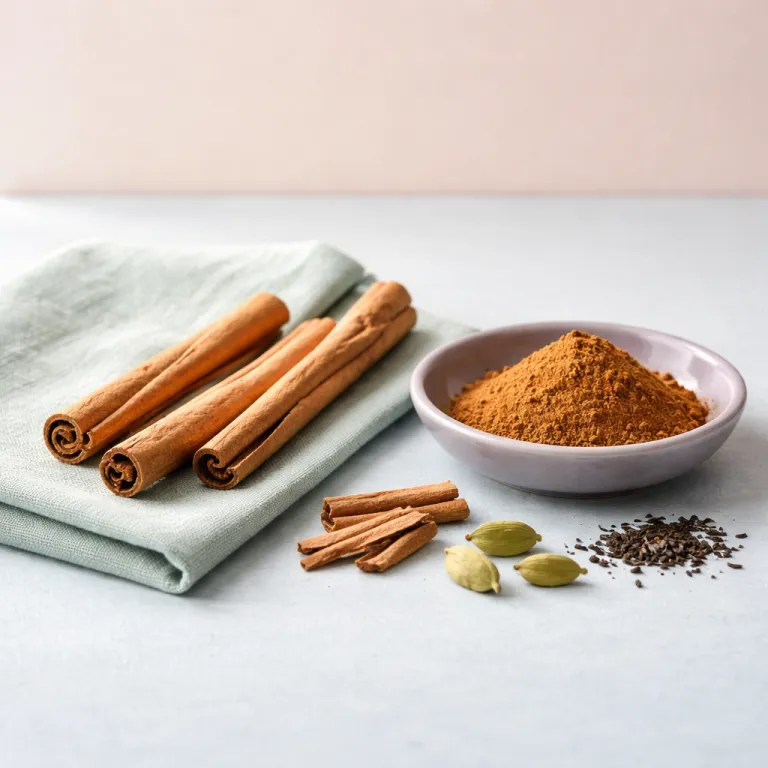
Cinnamon canela inspirations for luxury hotel choices in Sri Lanka
Planning a premium escape to Sri Lanka begins with understanding how cinnamon canela shapes both the landscape and the luxury hotel experience. Along the island’s southern and central regions, plantations of Cinnamomum verum provide true cinnamon that infuses refined resorts with a sense of place and heritage. When you compare hotels, look for properties that highlight Ceylon cinnamon in spa rituals, signature desserts, and cinnamon tea ceremonies that celebrate this delicate spice.
Many high end resorts partner with local farmers who harvest the inner bark through careful coppicing, scraping, and drying methods that respect tradition. This connection to the land means your stay supports sustainable spice production while you enjoy subtle flavor notes in cocktails, cinnamon bark infusions, and gluten free menus that use herbs spices thoughtfully. In curated hotel reviews, pay attention to how chefs differentiate Ceylon cinnamon from cassia cinnamon, because this distinction often signals deeper culinary expertise and a commitment to authentic Sri Lankan identity.
Guests who appreciate variety cinnamon options will notice how some properties showcase cinnamon sticks as part of their design language, placing polished bark sticks in suites, lobbies, and spa relaxation lounges. These visual cues are more than décor ; they reference Sri Lanka’s role in global cinnamon production and the economic impact of this revered spice. As you shortlist hotels, read each review carefully to see whether cinnamon canela experiences feel integrated into the stay or simply added as generic products without a meaningful story.
Evaluating premium hotels through the lens of cinnamon canela experiences
Choosing a luxury or premium hotel in Sri Lanka becomes easier when you evaluate how thoughtfully the property treats cinnamon canela as part of its guest journey. Some coastal and hill country retreats design signature cinnamon tea services, pairing Ceylon cinnamon sticks with local herbs spices and carefully filtered water for a refined afternoon ritual. When a hotel explains the difference between Ceylon cinnamon and cinnamon cassia, it signals a deeper respect for provenance and for the island’s spice heritage.
Look for menus that clearly distinguish true cinnamon from cassia cinnamon, especially in desserts, cocktails, and Mexican cuisine inspired dishes that use canela cinnamon for warmth rather than overpowering heat. A detailed review that mentions the aroma of cinnamon bark in the lobby or the use of inner bark in spa scrubs shows that the property curates sensory details with intention. For technology focused insight into how leading hotels integrate such elements into digital booking journeys, consult this overview of technology trends shaping your stay.
Premium hotels that cater to guests from the United States and Europe often highlight Ceylon cinnamon as a lighter, more nuanced spice compared with Chinese cinnamon or cinnamon cassia. When you read guest reviews, note whether international travelers praise the flavor balance in cinnamon tea, breakfast pastries, and Mexican inspired sauces that use canela thoughtfully. A strong report on service quality will often mention how staff explain the story behind local products, including cinnamon canela, which enhances both trust and perceived value.
Immersive plantation visits and serene lakeside stays with cinnamon canela
Many luxury travelers now seek immersive experiences that connect their hotel stay with Sri Lanka’s cinnamon canela plantations. High end properties in coastal belts and the hill country curate guided visits where guests walk among Cinnamomum verum trees, observe how inner bark is harvested, and compare Ceylon cinnamon with Cinnamomum cassia from other regions. These excursions often end with cinnamon tea tastings, where you can evaluate flavor differences between true cinnamon, cassia cinnamon, and Chinese cinnamon while learning about responsible spice production.
For a tranquil retreat, lakeside properties in the cultural triangle integrate cinnamon bark and cinnamon sticks into architecture, spa design, and slow dining concepts. One example is highlighted in this guide to serene lakeside luxury in Sri Lanka, where cinnamon canela elements frame the guest experience. Here, chefs may use canela cinnamon in both sweet and savory products, from refined Mexican cuisine interpretations to local curries that rely on a balanced spice profile.
When assessing such hotels online, look for a detailed review that comments on plantation excursions, educational talks about Ceylon cinnamon, and curated tastings of variety cinnamon products. A thoughtful report might mention how free shipping is offered for selected cinnamon sticks and related products, allowing guests to continue their sensory journey at home. These touches, combined with attentive service and clear communication about food drug regulations and safety, help position a property as both luxurious and trustworthy.
Health, safety, and regulatory transparency around cinnamon canela offerings
Discerning travelers increasingly evaluate luxury hotels in Sri Lanka based on how transparently they handle health, safety, and regulation around cinnamon canela products. When a property serves cinnamon tea daily, it should be able to explain the difference between Ceylon cinnamon and cassia cinnamon, especially regarding coumarin levels and recommended consumption. Hotels that host guests from the United States and other regulated markets often reference food drug standards and align their sourcing with guidance from the drug administration and similar authorities.
Menus that highlight gluten free options, carefully selected herbs spices, and clearly labeled cinnamon bark infusions show respect for guest wellbeing. A reliable report from the hotel’s culinary team might outline how they prioritize true cinnamon from Sri Lanka’s plantations, while using cassia or Chinese cinnamon only when its stronger flavor is appropriate. Some properties even provide printed reviews of partner plantations, explaining how inner bark is harvested and dried using improved techniques that preserve both flavor and safety.
Guests should feel comfortable asking about variety cinnamon offerings, including canela cinnamon used in Mexican cuisine, and how these products are stored, brewed, or cooked. Transparent communication about shipping policies, such as whether free shipping is available for packaged cinnamon sticks or other products, further reinforces trust. By aligning with international food drug expectations and sharing this information clearly, luxury hotels turn cinnamon canela from a simple spice into a symbol of responsible hospitality.
Design, wellness, and culinary storytelling with cinnamon canela
In Sri Lanka’s premium hotels, cinnamon canela often appears as a unifying thread across design, wellness, and gastronomy. Architects may incorporate cinnamon bark and polished cinnamon sticks into feature walls, headboards, or lobby installations that subtly reference the island’s spice routes. These visual narratives are complemented by spa menus that use inner bark powders and essential oils from Ceylon cinnamon to create treatments that feel both indulgent and rooted in place.
Wellness programs sometimes begin the day with warm cinnamon tea, prepared with true cinnamon from local plantations and served alongside light, gluten free options. Guests can compare the gentle flavor of Ceylon cinnamon with the bolder notes of cassia cinnamon or Chinese cinnamon, guided by therapists who explain the heritage of each spice. In the evening, chefs may present tasting menus where canela cinnamon appears in Mexican cuisine inspired courses, desserts, and cocktails, demonstrating the versatility of this revered spice.
When reading hotel reviews, look for comments about how convincingly these cinnamon canela stories are woven into the stay, rather than added as superficial products. A thoughtful review or report might highlight how herbs spices, including variety cinnamon selections, are sourced from nearby farmers in Sri Lanka. For ideas on pairing such sensory experiences with refined urban exploration, consult this guide to elegant family friendly activities in Colombo, which many luxury travelers combine with coastal or plantation stays.
Practical booking strategies for cinnamon canela themed luxury stays
When you are ready to book a luxury hotel in Sri Lanka that meaningfully integrates cinnamon canela, start by comparing detailed guest reviews across several platforms. Pay attention to how often travelers mention Ceylon cinnamon experiences, from plantation visits and cinnamon tea rituals to the aroma of cinnamon bark in rooms and public spaces. A strong review will usually describe specific products, such as variety cinnamon gift sets, cinnamon sticks for brewing at home, or canela cinnamon used in signature dishes.
Check whether the hotel’s website or booking partners provide a clear report on sustainability practices, including relationships with local Cinnamomum verum growers and any use of Cinnamomum cassia or Chinese cinnamon. Properties that serve guests from the United States and Europe often outline how they comply with food drug regulations and guidance from the drug administration, especially when selling packaged products with free shipping. Look for transparent information about gluten free menus, herbs spices sourcing, and how water quality is managed for brewing cinnamon tea safely.
As you compare dates, note that many travelers choose to visit during March or other shoulder periods, when plantation tours can be quieter yet still engaging. Some hotels offer special products or packages themed around cinnamon canela during these months, sometimes including complimentary shipping for curated spice boxes. By combining careful review reading, attention to regulatory transparency, and an appreciation for true cinnamon from Sri Lanka, you can secure a stay where every detail of cinnamon canela feels both luxurious and authentic.
Key statistics on cinnamon and Sri Lanka’s luxury hospitality
- Global cinnamon production is estimated at around 238 403 tonnes annually, with Sri Lanka recognized as a leading source of high quality Ceylon cinnamon.
- Year round planting, harvesting, and processing of cinnamon’s inner bark support local farmers, exporters, and premium hotel partners across the island.
- Improved drying techniques for cinnamon bark enhance flavor consistency, which benefits luxury hotels that rely on refined cinnamon tea and culinary offerings.
Essential questions about cinnamon canela and premium stays
What is the difference between Ceylon and cassia cinnamon?
What is the difference between Ceylon and cassia cinnamon? Ceylon cinnamon has lower coumarin levels than cassia.
Is cinnamon safe for daily consumption?
Is cinnamon safe for daily consumption? Moderate consumption is generally safe; excessive intake may pose risks.
How does cinnamon canela enhance a luxury hotel stay in Sri Lanka?
Cinnamon canela enhances a luxury stay by connecting guests with Sri Lanka’s heritage through plantation visits, refined cinnamon tea rituals, and carefully crafted menus that highlight true cinnamon and related spices. When hotels explain the origins of Ceylon cinnamon, cassia cinnamon, and Chinese cinnamon, guests gain confidence in both flavor and safety. This transparency, combined with thoughtful design and wellness experiences, turns a simple spice into a memorable signature of premium hospitality.