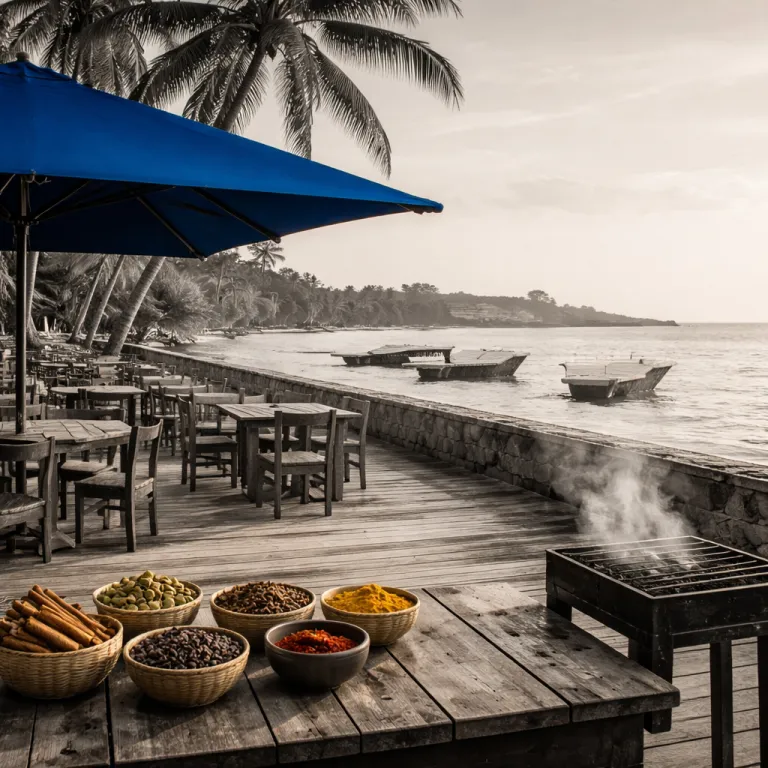
Why Sri Lanka food dining is finally having its moment
Sri Lanka food dining has long been extraordinary at home yet under sung abroad. The island now ranks among the world’s best for food, and that gap between reputation and reality is finally closing as luxury hotels treat every rice and curry service as theatre rather than buffet. For couples planning a stay, this means that Sri Lankan chefs, local restaurateurs and even street food vendors are shaping how you taste Sri Lanka, from breakfast hoppers to late night kottu.
At the heart of Lankan cuisine sits rice and curry, a deceptively simple phrase that hides a choreography of textures, spice and temperature. A proper Sri Lankan rice and curry is served on a wide plate or banana leaf, with white or red rice flanked by fish curry, tempered vegetables, a bright pol sambol and at least one deep fried short eats style fritter for crunch. When a hotel understands that this everyday Lankan food is its greatest luxury, the buffet line disappears and you are guided course by course through each dish and its region.
Colombo alone now counts hundreds of registered restaurants, a number that signals how seriously the capital takes food. Many of these kitchens work with traditional clay pots, coconut graters and stone spice grinders, yet plate their Lankan cuisine with the precision of fine dining rooms in London or Singapore. As a traveler you can move from a polished tasting menu that reimagines fried rice with crab and coconut milk foam to a humble stall where fried short eats and ginger beer are handed over in seconds, and both moments feel essential to understanding Sri Lanka.
Colombo versus Galle Fort: two stages for modern Lankan cuisine
Colombo is where Sri Lanka food dining feels most experimental, with chefs riffing on rice flour hoppers and kottu roti while still respecting the grammar of Lankan food. In the Western Province you will find tasting menus that turn string hoppers into lace like crisps, pair slow cooked fish curry with single estate tea reductions and finish with coconut milk panna cotta scented with cardamom. These rooms are ideal for couples who want to dress up, order a bottle of wine and watch Sri Lankan flavors move confidently into the global conversation.
Galle Fort tells a different story, one that leans into history and sea air rather than skyline views. Here, Sri Lanka food dining often unfolds in candlelit courtyards where grilled fish is served with pol roti brushed in clarified butter, grated coconut and lime, and where ginger beer replaces Champagne as the aperitif of choice. Menus still revolve around rice and curry Sri combinations, but the pace is slower, the sambol is hotter and the proximity to the ocean means every fish dish tastes as if it has barely left the net.
Choosing between Colombo and Galle for Lankan cuisine is not about better or worse, but about mood and rhythm. Colombo excels when you want to see how Lankan food and fusion cuisine can share a plate, while Galle Fort is stronger for long lunches where fried rice arrives in clay pots and pol sambol is crushed at the table. Many couples now split their stay, starting with a few nights in a capital hotel such as Shangri-La Colombo or Galle Face Hotel for street food tours and short eats, then moving south to a rampart side retreat like Amangalla or Fort Bazaar where tea, curry and the sound of the sea carry the evening.
From hotel breakfast to street food nights: how to eat like a local
The most revealing Sri Lanka food dining often happens before nine in the morning, when hotel kitchens turn out hoppers and string hoppers for guests who are awake early enough to care. A good property will offer both the classic bowl shaped hopper made from fermented rice flour and coconut milk, and the delicate nests of steamed string hoppers that arrive with dhal curry, lunu miris sambol and sometimes a gentle fish curry for those who like spice at sunrise. Try hoppers for breakfast, visit local markets for fresh produce and be cautious with spice levels if you are not used to chilli.
By lunchtime, the focus shifts to rice and curry, and this is where you should pay attention to how your hotel sources and serves its staples. Ask whether the rice is local red or white, whether the coconut in your pol sambol is freshly grated coconut and whether the vegetables in your Lankan cuisine spread change with the market rather than a fixed menu. Properties that treat this midday rice and curry ritual with respect often have the most interesting evening offerings, from refined kottu roti cooked on a plancha to deep fried short eats that echo the best of street food without the queues.
Night is when couples should step outside the lobby and follow the sound of metal blades on steel, the unmistakable rhythm of kottu being chopped. Street food in Sri Lanka is not a sideshow but a parallel universe where fried rice, kottu, roti and flat bread variations keep the city fed, and where a glass bottle of ginger beer cuts through the heat better than any cocktail. Many luxury hotels now partner with local guides and food tour companies such as Eat, Drink, Colombo so guests can move safely between stalls, tasting sambol, pol roti and Lankan food snacks, then return to suites where tea is waiting and the pillows are turned down.
Cooking classes, spice heritage and the new culinary pilgrim
As visitors spend longer in single regions, Sri Lanka food dining has expanded beyond the plate into experiences that explain why each dish tastes the way it does. Cooking schools and hotel kitchens now offer classes where couples grind spices by hand, press coconut milk from fresh coconut and shape flat bread and roti before they ever order them from a menu. Some of these sessions are pure theatre for social media, but the best ones are anchored in real recipes and real Lankan cuisine, taught by Sri Lankan chefs who cook the same rice and curry for their own families.
Spice Ceylon, described as the country’s first spice heritage museum, signals how seriously Sri Lanka now treats its culinary story. Here and in similar spaces, you can trace how cinnamon, pepper and cardamom moved through the island, then taste how they appear in fish curry, dhal, sambol and even in tea pairings designed for modern palates. The context matters, because once you have seen how a coconut grater works or how rice flour becomes batter for hoppers and string hoppers, every subsequent meal in Sri Lanka feels more layered and less like anonymous hotel food.
Not every cooking class is equal, and luxury travelers should choose carefully. Look for sessions that limit numbers, use traditional clay pots, work with grated coconut rather than pre packed pol, and explain why certain dishes are deep fried while others are simmered slowly in coconut milk. If your hotel concierge cannot answer basic questions about Lankan food or Lankan cuisine, consider booking with a specialist operator instead and pairing your culinary day with a wellness focused stay, using a refined spa hotel such as Santani or Anantara Peace Haven as your base between market visits and tea tastings.
Regional plates, romantic settings and how to choose your hotel
One reason Sri Lanka food dining feels so rich is that the island’s regions cook differently, yet many travelers only taste a capital city version. In the north and east, rice and curry Sri plates lean on tamarind, dried fish and sharper sambol, while the hill country uses more coconut milk, leafy greens and of course tea as both beverage and ingredient. Coastal belts from Negombo to Tangalle focus on fish curry, grilled prawns and deep fried short eats, and a thoughtful hotel will reflect its own coastline or highland valley rather than serving the same generic Lankan food everywhere.
For couples, the most memorable meals often come where setting and plate speak the same language. Imagine a candlelit dinner on a terrace above paddy fields, where red rice is served with village style pol roti, pol sambol, tempered greens and a slow cooked curry Sri made with jackfruit instead of meat, or a beachside lunch where fried rice and kottu roti share the table with iced ginger beer and strong black tea. These are not complicated dishes, but when Lankan cuisine is cooked with care and framed by good stemware, attentive service and a sense of place, it feels as luxurious as any imported tasting menu.
When choosing a property through a curated platform, read beyond the spa and pool descriptions and look for how seriously the kitchen treats Sri Lanka food dining. Ask whether breakfast includes both hoppers and string hoppers, whether rice flour and coconut are sourced locally, and whether the bar stocks quality ginger beer alongside wine and spirits. A hotel that can talk confidently about its sambol, its short eats and its use of grated coconut is usually one that understands that in Sri Lanka, food is not an amenity but the main story you will remember long after the last cup of tea has cooled.
FAQ
What is a must try dish in Sri Lanka for first time visitors ?
What is a must-try dish in Sri Lanka? Rice and curry is a staple and must-try dish. For a deeper experience, ask for a traditional Sri Lankan rice and curry spread with several vegetable curries, a fish curry, sambol and at least one pol roti or flat bread on the side.
Are there good vegetarian options in Sri Lanka food dining ?
Are there vegetarian options available? Yes, many vegetarian dishes are available. You will find Lankan cuisine rich in lentil dhal, jackfruit curry, coconut milk based vegetables, hoppers, string hoppers and short eats that make Sri Lanka food dining very friendly for plant focused travelers.
Is Sri Lankan food always very spicy in hotels and restaurants ?
Is Sri Lankan food very spicy? Some dishes are spicy; ask for milder versions if needed. In luxury and premium hotels, chefs are used to adjusting sambol heat levels and curry Sri intensity, so you can enjoy Lankan food flavors without overwhelming chilli.
How much does a typical meal cost in Colombo compared with hotels ?
In Colombo, the average cost of a meal in local restaurants is often around the equivalent of 5 to 10 US dollars, while premium hotel dining rooms charge more for service, setting and curated Lankan cuisine menus. Many couples choose a mix, enjoying street food and fried rice in the city, then reserving one or two Sri Lanka food dining experiences in high end properties for special evenings.
When are the main meal times for travelers in Sri Lanka ?
Across Sri Lanka, breakfast usually runs from about 6 to 9 in the morning, lunch from roughly 12 to 14 and dinner from around 19 to 21, especially in hotels. Street food and short eats, including kottu, fried snacks and ginger beer, are often available well beyond these hours, which makes it easy for travelers to fit Sri Lankan food around excursions and spa appointments.