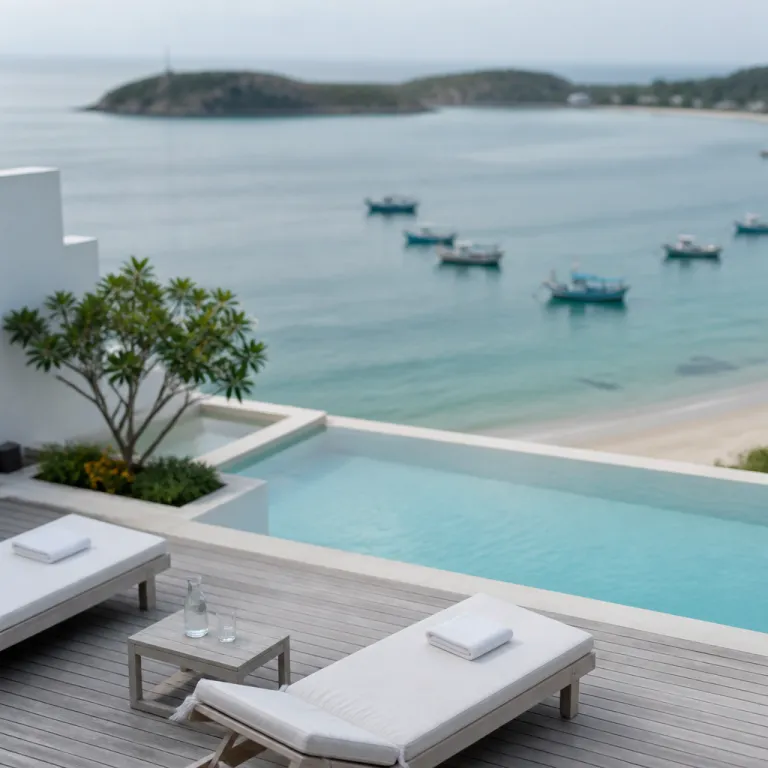
Why sri lanka trincomalee belongs on every luxury itinerary
On the northeastern curve of Sri Lanka, Trincomalee offers a rare mix of calm beaches and deep cultural heritage. This coastal city, officially governed by the Trincomalee Urban Council, has evolved from an ancient port into one of the best places in the country for refined seaside stays. For travellers planning a premium trip across Sri Lanka, Trincomalee now rivals southern resorts while remaining far less crowded and more contemplative.
The natural harbour of Trincomalee is one of the largest in the world, and its sheltered waters shape everything from whale-watching excursions to serene sunset cruises. The Sri Lanka Tourism Development Authority actively promotes this harbour, the surrounding beaches across the island, and the historic Koneswaram Temple as pillars of the region’s appeal. When you plan where to stay in Trincomalee, you are choosing between a string of high-end properties that frame this harbour and the long arcs of sand stretching north to Uppuveli and Nilaveli.
For guests using a luxury hotel booking website focused on Sri Lanka, Trincomalee stands out because you can pair indulgent suites with meaningful cultural experiences. A single day trip can move from a private breakfast above Swami Rock to a curated visit of Hindu temples and colonial fortifications. In 2023, several leading hotels such as Trinco Blu by Cinnamon and Uga Uppuveli introduced dedicated heritage concierges, and this blend of curated comfort and authentic Sri Lankan life makes Trincomalee one of the best additions to a longer island itinerary.
When to plan your stay in trincomalee and how long to remain
Weather shapes every coastal trip in Sri Lanka, and Trincomalee is no exception. The dry months bring the clearest seas for beach experiences around Trincomalee, from Uppuveli Beach to Marble Beach and Nilaveli Beach, while the inter-monsoon periods can soften the light and thin the crowds. For guests booking premium rooms, this seasonality also influences rates, availability, and the style of service you can expect, from sunrise yoga sessions to late evening beach dinners.
Before confirming where to stay in Trincomalee, review how the Sri Lankan monsoon patterns differ between the northeast and the south coast. A specialised analysis of how the Sri Lanka monsoon season shapes luxury stays across the island explains why Trincomalee often enjoys sunshine when other regions are wet. This means that a carefully timed trip to Trincomalee can extend your overall beach season, especially if you are combining several coastal regions across Sri Lanka in a single itinerary.
For most travellers, three to five nights in Trincomalee works well, though longer stays suit guests who value slow travel. A shorter day trip from nearby hubs is possible, but it rarely does justice to the range of things Trincomalee offers, from Hindu temples to whale watching and museum visits. If you are planning a wider Sri Lanka journey that includes Jaffna or the Cultural Triangle, consider placing Trincomalee in the middle, allowing time to unwind between more intense sightseeing days and long overland transfers.
Beaches around trincomalee: choosing the right stretch of sand
The coastline around Trincomalee is a sequence of distinct beaches, each with its own character and level of luxury. Uppuveli sits just north of the city and Uppuveli Beach is ideal for travellers who want easy tuk-tuk access to town while still enjoying a relaxed shoreline. Further north, Nilaveli and Nilaveli Beach feel more secluded, with several premium properties offering direct access to the sand and curated excursions to nearby reefs.
Marble Beach, managed in part by the Sri Lanka Air Force, offers a different atmosphere, with clear shallows and a gently shelving bay that suits couples and families. Many guests arrange a private tuk-tuk transfer from their hotel in Trincomalee to Marble Beach for a quieter day, then return to Uppuveli or Nilaveli for sunset cocktails as fishing boats drift back into the harbour. These eastern beaches are often compared with southern bays, and a refined guide to the south coast’s most coveted bay, Hiriketiya in Sri Lanka, helps highlight how Trincomalee’s sands feel wider, wilder, and more open.
For travellers using a high-end booking platform, the best things to consider are distance from the city, privacy levels, and access to activities. Some guests prefer to stay near Uppuveli Beach for nightlife and dining, while others choose Nilaveli Beach for proximity to Pigeon Island and quieter evenings. When you compare these places, remember that each beach offers its own version of Sri Lankan hospitality, from discreet villa service to full resort amenities and family-friendly beachfront lounges.
Cultural landmarks: koneswaram, fort frederick and swami rock
Beyond the shoreline, Trincomalee is one of Sri Lanka’s most significant Hindu centres. The Koneswaram Temple, perched dramatically on Swami Rock, draws pilgrims from across the island and from the Tamil communities of Jaffna. For luxury travellers, a private guided visit to Koneswaram Temple at quieter times of day can be one of the best things to include in a thoughtful travel guide, especially when combined with a short puja ceremony or conversation with a resident priest.
Fort Frederick, originally built by the Portuguese and later modified by the Dutch and British, guards the entrance to the harbour. Walking through Fort Frederick with an informed guide reveals layers of Sri Lankan and colonial history, from military strategy to religious coexistence near the Hindu temples. Inside the fort, deer wander freely, and the elevated paths offer views across Trincomalee, the harbour, and the surrounding beaches, particularly atmospheric in the late afternoon light.
Swami Rock itself is central to many stories about Trincomalee, from maritime legends to modern whale-watching routes that pass below its cliffs. A curated itinerary might pair sunrise at Swami Rock, a visit to Koneswaram Temple, and an afternoon exploring a small local museum that explains the city’s maritime past. When you plan where to stay in Trincomalee, consider properties that can arrange expert guides, as nuanced interpretation transforms these sites from simple viewpoints into profound cultural experiences.
Marine experiences: pigeon island, whale watching and coastal day trips
For many guests, the highlight of a trip to Sri Lanka’s Trincomalee coast is time spent on or under the water. Pigeon Island National Park, reached by boat from Nilaveli Beach, offers accessible snorkelling over coral gardens where reef fish and turtles are often seen. Luxury hotels along this coast can arrange private boats to Pigeon Island, avoiding the busiest times and tailoring the outing to your comfort level, with equipment, guides, and refreshments included.
Whale watching from Trincomalee has grown in popularity, with operators heading into the deeper waters beyond the harbour in search of blue whales and dolphins. When booking through a premium travel platform, look for partners who follow responsible guidelines and work closely with the Sri Lanka Tourism Development Authority. Since around 2018, companies such as Sri Lanka Navy-operated tours and several licensed private operators have refined their practices, and these curated whale-watching experiences often include transfers by tuk-tuk or private vehicle from your Trincomalee base, as well as refreshments and naturalist commentary.
Shorter coastal day trip options include sunset cruises inside the harbour, stand-up paddle sessions near Uppuveli Beach, and relaxed swims at Marble Beach. Some travellers combine a morning at Pigeon Island with an afternoon at a quieter stretch of shoreline near Trincomalee, returning to their hotel for spa treatments and Sri Lankan tasting menus. If you are planning several activities in Trincomalee in a single day, allow time for rest between marine excursions, as the sun and sea can be surprisingly tiring and midday heat can be intense.
Planning a refined stay in trincomalee within a wider sri lankan journey
Trincomalee rarely exists in isolation on a Sri Lanka itinerary, and that is part of its charm. Many travellers arrive from the Cultural Triangle or Jaffna, using the city as a coastal pause between temple visits and northern landscapes. Others end their island trip here, choosing to stay in Trincomalee for several nights of calm before flying home and re-entering busier routines.
When you compare accommodation options on a luxury booking website, focus on how each property supports the kind of trip you want. Some hotels specialise in cultural excursions, offering in-depth visits to Hindu temples, Fort Frederick, and the main museum in town, while others emphasise wellness, beachside relaxation, and curated dining. A thoughtful essay on why Sri Lanka chose intimacy over scale in its hospitality sector explains why many high-end stays here feel personal rather than ostentatious.
Transport logistics also matter, especially if you are combining Trincomalee with other coastal areas around Sri Lanka. Private transfers by car are the most comfortable option, though some guests enjoy using tuk-tuks within the city for short hops between the harbour, markets, and Uppuveli. Whatever route you choose, a clear travel guide that links Trincomalee with Jaffna, the Cultural Triangle, and the south coast will help you balance the many experiences available in Trincomalee with the rest of your Sri Lankan journey.
Key figures and practical statistics for trincomalee travellers
- Trincomalee city has an estimated population of around 99,135 people, which makes it a mid-sized Sri Lankan urban centre with enough services for travellers without feeling overwhelming (source: Wikipedia, population data for Trincomalee Urban Council area, 2012 Census, accessed 2024).
- The administrative area of Trincomalee covers approximately 7.5 km², so most key sites such as Fort Frederick, Koneswaram Temple, and the main museum can be reached quickly by tuk-tuk or car (source: Wikipedia, area data for Trincomalee Urban Council, accessed 2024).
- Tourism authorities highlight that the best time to visit Trincomalee is during the dry season from May to September, when sea conditions favour whale watching and Pigeon Island excursions (source: Sri Lanka Tourism Development Authority guidance on seasonal patterns, 2022 update).
- Regional planning documents note that Trincomalee is part of a growing tourism corridor in the Eastern Province, where infrastructure development and cultural festivals are expected to increase visitor numbers over the coming years (source: Sri Lanka Tourism Development Authority and Eastern Province development reports, 2021–2023).
FAQ about luxury stays in trincomalee
What is Trincomalee best known for among travellers ?
Trincomalee is best known for its natural harbour, long sandy beaches such as Uppuveli Beach and Nilaveli Beach, and the hilltop Koneswaram Temple overlooking Swami Rock. Many visitors also associate the city with whale watching and access to Pigeon Island National Park. This combination of marine life, religious heritage, and colonial history makes Trincomalee one of the most distinctive coastal cities in Sri Lanka.
When is the best time to plan a luxury trip to Trincomalee ?
The most reliable period for calm seas and sunshine in Trincomalee runs from May to September, which aligns with the region’s main dry season. During these months, conditions are usually favourable for beach activities, snorkelling at Pigeon Island, and whale watching offshore. High-end hotels often schedule their signature outdoor experiences and dining events around this seasonal pattern.
Are there important historical sites to visit in Trincomalee ?
Yes, Trincomalee offers several significant historical and cultural sites within easy reach of the city centre. Fort Frederick and Koneswaram Temple are the most prominent, combining colonial military architecture with centuries of Hindu worship on Swami Rock. A small local museum and various Hindu temples in and around the city provide further context on the port’s role in Sri Lankan maritime history.
How many days should I stay in Trincomalee on a Sri Lanka itinerary ?
Most travellers planning a premium Sri Lanka trip allocate three to five nights in Trincomalee. This allows time to enjoy at least one beach day at Uppuveli or Nilaveli, a cultural circuit including Koneswaram Temple and Fort Frederick, and a marine excursion such as whale watching or a visit to Pigeon Island. Shorter stays are possible as a day trip from nearby regions, but they limit the depth of experiences you can enjoy.
Is Trincomalee suitable for high end and luxury travellers ?
Trincomalee has become increasingly suitable for high-end travellers, with a growing selection of premium hotels and villas along Uppuveli Beach, Nilaveli Beach, and Marble Beach. Many properties now offer private transfers, curated excursions, and refined Sri Lankan dining that meet international luxury expectations. Online booking platforms focused on Sri Lanka make it easier to compare these options and align them with your wider island itinerary.