From Colombo Fort to the north: setting the scene for a different Sri Lanka
The overnight Jaffna train journey in Sri Lanka begins at Colombo Fort, the country’s busiest railway station and still the grand old gateway to the rails. As you step onto the platform, you feel how Sri Lanka Railways still shapes daily travel, from suited executives heading to Kandy to families bound for the northern peninsula and beyond. For luxury travelers used to private transfers between Colombo and Galle, this long rail journey north offers a slower, more textured way to cross Sri Lanka.
Colombo Fort’s main railway station is where the famous express train services fan out toward Kandy, Badulla, Galle and the northern city of Jaffna. Here you might see a Galle train boarding on one platform while the overnight northern rail service, usually operating as train no. 4021 or a similar numbered night express, waits on another with its sleeping coaches. The contrast between these train rides is immediate, because the Jaffna service feels more purposeful and less curated than the coastal Colombo–Galle train ride that many first-time visitors choose.
As departure nears, porters weave through the station with luggage trolleys while vendors sell short eats for the hours ahead. You will hear announcements for Anuradhapura–Jaffna connections, for Kandy–Badulla hill country services and for local train journeys that knit together the suburbs of Sri Lankan capital life. According to Sri Lanka Railways’ published timetable, the main overnight departure from Colombo Fort to Jaffna usually leaves between 20:00 and 22:30, and this is where a Jaffna train journey in Sri Lanka becomes part of a wider national rail story, linking business travelers, pilgrims and returning diaspora on the same overnight train ride.
The rhythm of the night: inside the overnight Jaffna train experience
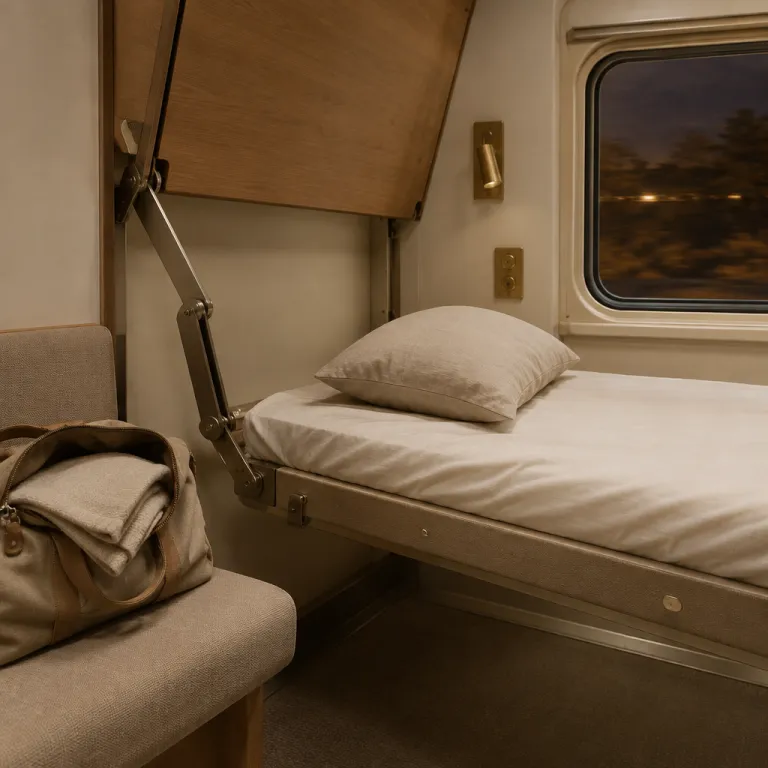
Once on board, the overnight train to Jaffna feels intimate rather than grand, with first-class berths offering simple comfort rather than opulence. Cabins on the best train options along this route usually provide air conditioning, clean bedding and enough privacy for executives extending a business trip into leisure travel. Compared with the open carriages on some Sri Lankan daytime train rides, this enclosed space encourages you to slow down, read, and let the journey unfold over several hours.
The Yal Devi service, a name that still carries emotional weight in northern Sri Lanka, runs as an express train for much of the route, pausing only at key stations such as Anuradhapura, Vavuniya and Kilinochchi. You will sense the train best when it eases into a dimly lit station, doors sliding open to reveal tea sellers and families waiting under fluorescent lights. These short stops punctuate the night, and the soft clank of rail couplings and the low murmur on the platform become part of the soundtrack of your Jaffna train journey in Sri Lanka.
For travelers used to the coastal luxury of a refined surf camp Sri Lanka escape, the overnight rail experience feels stripped back yet quietly indulgent. There is no plunge pool here, but there is the pleasure of a neatly made berth, a hot tea served at dawn and the rare calm of being offline between stations. Recent travelers report first-class sleeper fares typically ranging from the equivalent of USD 12–25 per person, and many seasoned visitors now pair this northern rail journey with high-end stays elsewhere on the island, using the train rides as a counterpoint to polished resort life.
Landscapes in the dark: how the northern line differs from the hill country
Most visitors arrive in Sri Lanka dreaming of the Kandy to Ella train ride, with its tea-clad slopes, misty views and famous bends near Nanu Oya. That hill country railway, which continues toward Badulla and passes close to Nuwara Eliya, has become the default image of train journeys on the island. The Jaffna train journey in Sri Lanka offers something quieter and more austere, revealing a different Sri Lankan landscape as the night thins toward dawn.
Leaving Colombo, the rail line runs through suburbs before opening into flatlands that feel far removed from the drama of Kandy–Badulla gradients. You will not see the steep cuttings of the Oya valley or the manicured tea estates above Nuwara Eliya, but instead pass paddy fields, scrub and the dry-zone forests of the Vanni. As the train heads deeper into northern Sri Lanka, palmyra palms begin to appear against the sky, and the air feels drier than on the humid Colombo–Galle coastal stretch beside the Indian Ocean.
This is where the Jaffna route quietly rivals the best train experiences in the country, not through postcard views but through atmosphere. The line was once scarred by conflict, and today its restored stations and steady rail service speak to a region reconnecting with the rest of the island. A station manager in Vavuniya described the rebuilt line as “a lifeline for students and workers heading north and south every day,” and for travelers planning refined experiences and essential things to do in Sri Lanka’s top destinations, this overnight train journey adds narrative depth that a quick domestic flight can never match.
Arrival in Jaffna: temples, islands and luxury stays in the Tamil north
Dawn arrival at Jaffna railway station feels almost theatrical, with soft light catching the station’s clean lines and the palmyra silhouettes beyond. After hours of movement, stepping down onto the platform signals entry into a city that is culturally distinct from Colombo, Kandy or Galle. Here the Jaffna train journey in Sri Lanka becomes more than transport, because the destination rewards those who have taken the rail route north.
Within a short drive of the station, you reach the restored Dutch fort, quiet streets lined with old mansions and temples where morning puja fills the air with incense. Luxury and premium hotels have begun to appear across the northern peninsula, offering polished service, refined Sri Lankan and Tamil cuisine and concierge teams who can arrange private boat trips to Nainativu or drives to Point Pedro. Metered tuk-tuks and pre-booked cars wait outside the station, and for travelers used to the curated coastal properties that redefine luxury stays along Sri Lanka’s most coveted coasts, Jaffna’s emerging hotel scene feels more exploratory yet increasingly sophisticated.
Days here can be structured around temple visits, island hopping and long lunches of crab curry in waterfront restaurants that look toward the Indian Ocean. Evenings lend themselves to quiet drinks in hotel courtyards, where managers share stories of how the Anuradhapura–Jaffna corridor is reopening to thoughtful tourism. Many guests now speak of this northern rail journey as one of the best train ways to frame a stay in the region, because the memory of the overnight ride lingers long after check-in.
Planning the route: practicalities, itineraries and pairing rail with luxury hotels
Securing a first-class berth on the overnight train from Colombo Fort to Jaffna requires planning, especially for peak travel periods. Tickets for the best train options on this northern line are released in limited numbers, typically up to 30 days before departure through Sri Lanka Railways counters and authorized agents, and working with a trusted local specialist or your hotel’s concierge is often the most efficient route. Business travelers extending a stay in Sri Lanka can ask corporate travel planners to lock in berths alongside premium hotel reservations, ensuring the rail component matches the rest of the itinerary.
On board, pack light layers, a shawl for the air-conditioned carriage and a small overnight kit, because the journey lasts several hours and comfort matters. Many seasoned Sri Lankan travelers bring their own snacks and water, even though vendors appear at larger stations along the way. Official guidance from Sri Lanka Railways generally allows one medium suitcase and a cabin bag per passenger in first class, and a slim notebook or e-reader suits the unhurried pace of the train journey, while noise-cancelling headphones help if you prefer to sleep between station calls.
The most rewarding itineraries pair the Jaffna train journey in Sri Lanka with contrasting stays elsewhere on the island, such as a design-forward coastal retreat or a tea-country hideaway. One route might run from a refined property near Colombo–Galle beaches, up by rail to Jaffna, then onward by car toward Anuradhapura before looping back to the capital. However you structure it, the overnight rail segment becomes the narrative spine of the trip, linking luxury hotels with a grounded, quietly memorable experience of Sri Lanka Railways at work, and current timetables and fare bands can be checked in advance through official Sri Lanka Railways information channels.
FAQ
How long does the overnight train from Colombo to Jaffna take ?
The overnight train from Colombo Fort to Jaffna typically takes between seven and nine hours, depending on the specific service and intermediate station stops. It runs as an express train for much of the route, but scheduled pauses at key stations such as Anuradhapura and Vavuniya can slightly extend the total duration. Travelers should always check the latest timetable with Sri Lanka Railways ticket offices or a trusted local agent before booking, as departure times and stopping patterns can change.
Is first class on the Jaffna train comfortable enough for business travelers ?
First class on the Jaffna route is designed for practical comfort rather than opulent luxury, but it suits most business and executive travelers well. Air-conditioned carriages, reserved seating or berths and relatively quiet compartments make it easy to rest or read during the journey. For travelers used to premium hotels, the key is to treat the train as a characterful transfer rather than a full luxury product, and to confirm whether your chosen departure offers sleeping berths or only reclining seats.
How does the Jaffna train compare with the Kandy to Ella hill country line ?
The Kandy to Ella line is famous for dramatic mountain views, tea estates and viaducts, while the Jaffna route crosses flatlands, dry-zone forests and the culturally distinct Tamil north. The hill country railway between Kandy, Nanu Oya and Badulla is more scenic in a classic sense, but also far busier and heavily photographed. The Jaffna train offers a quieter, more atmospheric experience that appeals to returning visitors who want to see a different side of Sri Lanka and avoid the most crowded tourist services.
Can I combine the Jaffna train journey with other top destinations in Sri Lanka ?
Yes, many travelers build itineraries that link the Jaffna train with stays in Colombo, Galle, the hill country and the cultural triangle. A common pattern is to enjoy a coastal or city hotel first, then take the overnight rail north, and finally continue by road toward Anuradhapura or back to the south. Working with a specialist in Sri Lankan luxury travel helps align train schedules with hotel check-in and check-out times, and ensures transfers are waiting at Jaffna station on arrival.
Is it safe to take the overnight train to Jaffna as a solo traveler ?
The overnight train to Jaffna is widely used by local families, students and professionals, and solo travelers regularly ride it without issues. Booking a reserved first-class seat or berth, keeping valuables close and following standard travel awareness practices are usually sufficient. Many solo guests staying at premium hotels in the north now choose this route specifically for its sense of shared yet low-key adventure and the opportunity to experience long-distance rail travel alongside Sri Lankan passengers.