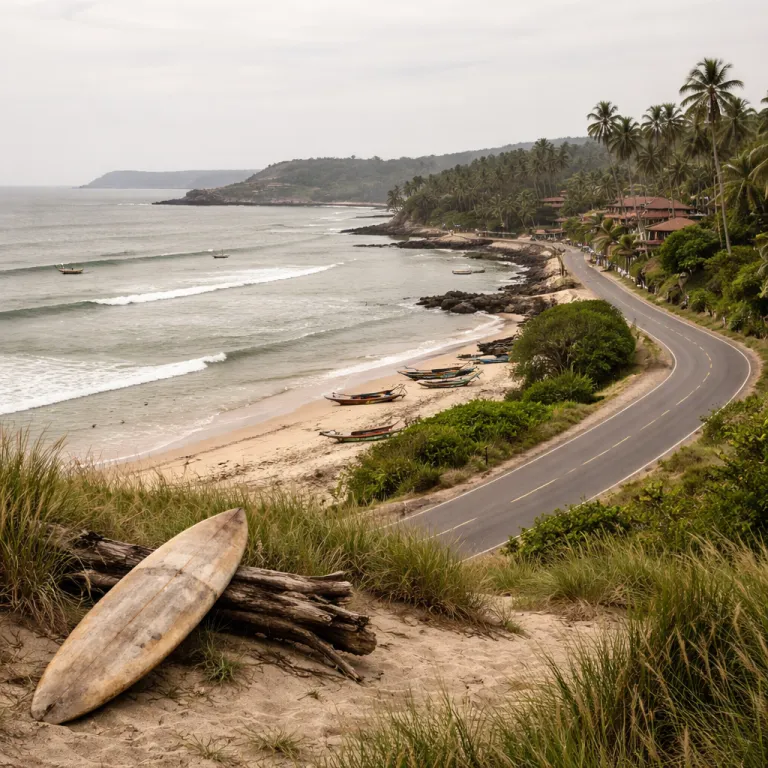
Sri Lanka surf travel: a high-end guide to coasts, camps and coastal style
Why Sri Lanka surf travel now belongs on the luxury map
Sri Lanka surf travel has quietly shifted from backpacker rite of passage to something far more polished. Along the south coast and east coast you now find refined hotels where a pre-dawn surf is followed by single-origin coffee, a massage and a tasting menu of Sri Lankan coastal cuisine. The result is a style of surf trip where you chase waves by day and return to linen sheets, curated playlists and a sommelier who knows the difference between a beach break sunset and a reef break moonrise.
The island’s roughly 1,340 km of coastline, as noted in Sri Lanka Tourism Development Authority (SLTDA) coastal overviews, offers a rare combination for surf-focused travelers. You can ride long, playful waves on the southwest coast in the morning, then end the day with a private dinner of lagoon crab and coconut sambol under frangipani trees. Because the monsoon patterns split the west and south from the east, Sri Lanka surf travel can be planned almost year round, with one side of the island usually offering reliable surf breaks and warm water around 27 °C, as outlined by seasonal guidance from the Sri Lanka Tourism Development Authority.
For design-conscious travelers, the new generation of Sri Lanka surf hotels is the real draw. Properties reference Geoffrey Bawa’s tropical modernism, frame the beach with low-slung pavilions and hide lap pools behind cinnamon hedges while still sitting close to the best surf spots. This is where a basic surf camp becomes a series of intimate retreats with polished service, where a boutique camp concept might mean ten suites, a serious wine list and a guide who knows every reef along the coast by name.
South coast arc: Weligama, Hikkaduwa and the new wave of coastal style
The south coast is the natural starting point for Sri Lanka surf travel when the west and southwest are in season. Weligama sits at the heart of this arc, a broad bay whose gentle waves roll in like a training ground for beginners and a reset button for lapsed surfers. Here the main Weligama Bay beach break offers soft, forgiving surf that lets you focus on stance and timing rather than survival.
Upscale hotels now line the curve of Weligama Bay with a light touch, stepping back from the beach to preserve views and breeze. You can stay in elevated suites where you watch the sets stack up over the sandbar, then walk down to meet a private instructor from one of the local surf schools on the main strip. As the Sri Lanka Tourism Development Authority notes in its surf and season overviews, "When is the best time to surf in Sri Lanka? November to April for the southwest coast; May to September for the east coast." Bandaranaike International Airport near Colombo is the main gateway, with private transfers or taxis to Weligama typically taking around three to four hours depending on traffic for the roughly 170–180 km journey via the Southern Expressway.
North along the shoreline, Hikkaduwa still carries echoes of its hippie past yet now hides polished villas behind palm groves. The reef just offshore creates a mix of reef break and beach break options, including Hikkaduwa Main Reef and the Inside Reef, so you can choose mellow waves or something with more push during your surf trip. For travelers combining waves with wildlife, it is easy to pair these south coast stays with a refined safari hotel in Yala; by road, transfers from Weligama or Hikkaduwa to Yala typically take around three to four hours for distances of roughly 150–190 km, so look for an elegant Yala hotel collection that understands how to balance game drives, surf sessions and slow afternoons by the pool. A simple map or route sketch that traces Colombo–Hikkaduwa–Weligama–Yala helps visualise how these stops link together along the southern coastline.
Arugam Bay and the east coast: where long waves meet barefoot luxury
When the south coast quiets, Sri Lanka surf travel pivots to the east coast and its dry-season light. Arugam Bay is the headline act here, a crescent of sand that has earned its place among Asia’s premier surf spots. The main point, often called Main Point Arugam Bay, offers long right-hand waves that peel for what feels like an entire time zone, while nearby breaks such as Baby Point and Peanut Farm add variety for a longer surf trip.
High-end stays have arrived carefully in Arugam Bay, often in the form of low-impact properties that echo traditional cabanas rather than concrete towers. Jetwing Surf, for example, places a collection of eco-friendly cabanas along the dune line, giving you direct access to the best surf while keeping the horizon uncluttered. This is relaxed surf living where your stay might include sunrise yoga, tailored surf coaching with local guides and dinners that reinterpret Sri Lankan curries with a lighter coastal touch. From Colombo, most travelers reach Arugam Bay via private car or domestic flight plus road transfer, with total travel time usually between seven and nine hours depending on route for the 320–350 km journey.
Further along the east coast, smaller villages host emerging surf lodge concepts that still feel intimate. These surf camps often work closely with local surf schools, creating programs that suit both first-timers and those chasing the best waves of their lives. If you want to balance the salt with altitude, it is remarkably simple to pair a week in Arugam Bay with a few nights in refined hillside accommodation in Ella; the drive usually takes around five to six hours over roughly 200–230 km, trading waves for tea country views and cool evenings. A basic east coast route map that links Arugam Bay with nearby breaks and then curves inland toward Ella can be a useful planning tool when you sketch out your itinerary.
Where to stay: from lapoint style camps to high design coastal retreats
Accommodation along the island’s surfable coastlines now ranges from elevated surf camp concepts to fully fledged design hotels. Some properties channel a Lapoint-style ethos, blending structured surf camps with yoga decks, co-working corners and communal tables where solo travelers quickly find a crew. Others lean into privacy, offering just a handful of suites where your surf trip is curated by a butler who knows your preferred board volume.
On the southwest coast around Weligama and Hikkaduwa, the best surf-focused hotels sit within a short tuk-tuk ride of the main surf spots yet feel worlds away once you step inside. Expect polished concrete, open-air bathrooms and menus that move confidently between Sri Lankan rice and curry, grilled reef fish and lighter Mediterranean plates. Many of these stays now partner with eco-conscious surf schools, providing equipment, guiding and transport to both beach break and reef break waves along the south coast. Nightly rates for mid-range boutique surf hotels here often start around US$70–100, with top-tier suites and villas running from roughly US$200–400 in peak season.
Further east, Arugam Bay’s more relaxed rhythm suits understated luxury particularly well. Here you might stay in a small villa cluster where ten bungalows ring a pool, or in a more expansive resort where each cabana opens directly onto the beach. For those who want to fold wildlife into their Sri Lanka surf travel, properties such as Chena Huts by Uga on the south coast offer a different kind of shoreline; this intimate retreat sits between jungle and sea, on a beach where turtles nest and elephants sometimes wander past, and it is profiled in depth in a guide to an intimate luxury escape between beach and wildlife. High-end lodges of this calibre typically price per night in the low to mid hundreds of US dollars, often around US$500–900 depending on season, reflecting their all-inclusive safari and coastal setting.
Food, culture and side trips: building a layered coastal itinerary
What elevates Sri Lanka surf travel into something genuinely memorable is what happens between sessions. Along the south coast, a new generation of Sri Lankan chefs is reclaiming the beach grill, pairing line-caught fish with jackfruit salads, tempered coconut and sharply spiced sambols. In Weligama, Hikkaduwa and smaller bays along the west coast, you now find seafood counters where the catch is weighed, grilled over coconut husk and served with lime and a cold beer within minutes. When choosing images of these scenes, use descriptive alt text such as “Sri Lanka surf travel – grilled reef fish at a beach restaurant in Weligama” to support accessibility and on-page SEO.
Beyond the plate, the rhythm of a surf trip here encourages you to engage with local life. Early mornings on the beach bring fishermen hauling nets, schoolchildren walking the sand and monks collecting alms, while evenings might mean a visit to a village temple or a sunset cruise to watch whales off the south coast. Because the island’s surf is effectively year round, with the southwest and west peaking when the east rests and vice versa, you can time your stay to coincide with cultural festivals inland or quieter periods on the coast.
Side trips are where a luxury-focused itinerary really stretches its legs. From the south coast you can head inland to tea country, staying in refined hillside escapes near Ella that pair well with a week of waves. Or you can travel to Yala, where elegant safari hotels let you trade the sound of waves for the calls of peacocks and deer; road transfers from the main south coast surf towns usually take three to four hours, and one detailed guide to elegant Yala hotels outlines how to combine game drives with lazy afternoons by the pool after a run of strong surf days.
Practical notes for planning a refined Sri Lanka surf itinerary
Planning Sri Lanka surf travel with a luxury lens starts with understanding the seasons. The southwest and west coast, including Weligama and Hikkaduwa, work best from roughly November to April, while Arugam Bay and the east coast shine from about May to September. This split allows you to design a surf trip almost any time of year, simply by choosing the right coastline for your dates.
Local surf schools along both the south and east coasts make logistics straightforward. They provide boards, protective gear and guiding to the best surf spots, whether you prefer a forgiving beach break or a more technical reef break. Many of the higher-end surf camps now emphasise eco-friendly practices, from reef-safe sunscreen policies to beach clean-ups and partnerships with the Sri Lanka Tourism Development Authority on coastal conservation.
For solo travelers, the choice between a structured surf camp and a more independent hotel stay comes down to how social you want your trip to feel. A camp-style format, sometimes inspired by Lapoint-style programming, offers built-in community and daily surf, while a quieter villa or hotel lets you dip into the waves on your own schedule. Either way, the combination of warm water, attentive service and a coastline that still feels human in scale makes this island one of the best surf destinations for travelers who care as much about the room key as the reef. As a final on-the-ground tip, pack reef booties for shallow breaks, respect local line-up etiquette by waiting your turn and consider booking at least one session with a reputable instructor in each new area to understand currents, rocks and safe entry and exit points.
FAQ
When is the best time for Sri Lanka surf travel on each coast ?
The southwest and west coast, including Weligama and Hikkaduwa, generally offer the best surf conditions from around November to April. The east coast, centred on Arugam Bay, usually works better from about May to September. This seasonal split means you can plan a surf trip almost year round by switching between coasts, following the SLTDA’s broad monsoon and surf guidance.
Are there surf spots suitable for beginners who still want luxury stays ?
Yes, Weligama Bay on the south coast is particularly beginner friendly thanks to its long, gentle beach break and clearly marked beginner zone in the centre of the bay. Many upscale hotels and refined surf camps sit either on the sand or a short drive away, pairing lessons with comfortable rooms and good food. Arugam Bay also has softer inside sections at Main Point and nearby Baby Point that suit progressing beginners when conditions are smaller.
Can I rent surf equipment or should I bring my own board ?
You can rent boards and basic protective gear easily in all major surf towns, including Weligama, Hikkaduwa and Arugam Bay. Local surf schools and shops stock a range of soft tops, longboards and performance shapes, though very specific sizes or high-end models may be limited. Serious surfers often bring a favourite board and then rent additional options locally.
How can I combine surfing with safari or hill country in one trip ?
The south coast is the easiest base for combining waves with wildlife or tea country. From Weligama or nearby towns you can reach Yala National Park in a few hours for a refined safari stay, or travel inland to Ella for cool air and tea estate walks. Many travelers split their time between a coastal hotel, a safari lodge and a hillside retreat.
Are eco friendly surf camps available in Sri Lanka ?
Eco-conscious surf camps are increasingly common along both the south coast and east coast. Many newer properties use natural materials, limit plastic, promote reef-safe sunscreen and work with local communities and the Sri Lanka Tourism Development Authority on coastal stewardship. When booking, look for clear sustainability policies, small group lesson sizes and partnerships with responsible local surf schools.
What does a 5–7 day Sri Lanka surf travel itinerary look like ?
A typical six-day Sri Lanka surf travel plan might start with arrival at Bandaranaike International Airport and a private transfer to Weligama (around three to four hours for roughly 170–180 km) for two days of beginner-friendly sessions at Weligama Bay, followed by a day trip north to Hikkaduwa for intermediate reef and beach breaks. From there, many travelers either continue along the south coast toward Yala for one or two nights of safari, or fly or drive east toward Arugam Bay for long right-hand point breaks suited to intermediate and advanced surfers. Daily logistics usually involve tuk-tuk or hotel car transfers of 10–30 minutes between surf spots and your chosen hotel, keeping travel time manageable while you focus on the waves.