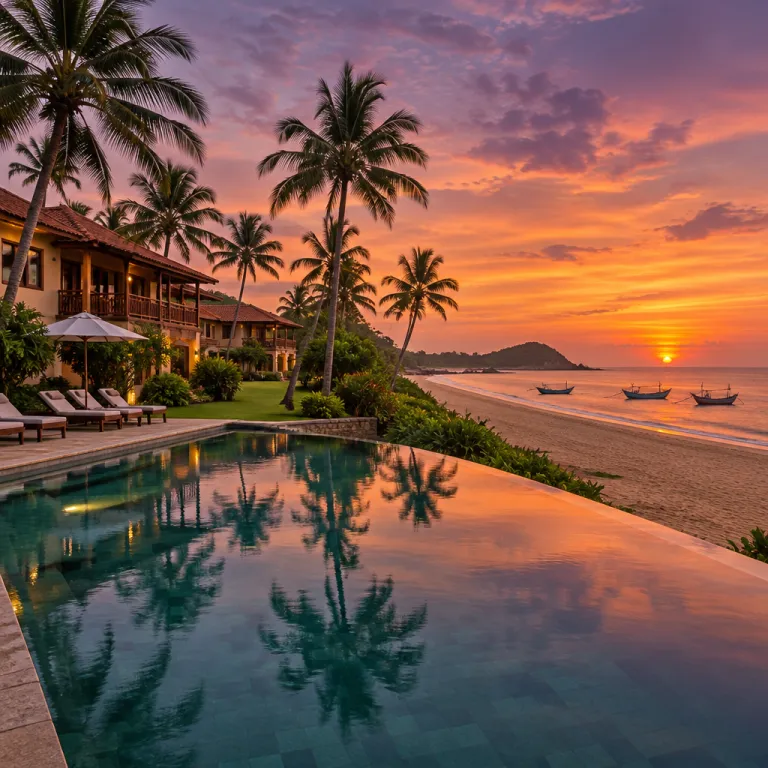
The Sri Lanka tourism recovery story: from empty runways to full houses
World Tourism Day in Sri Lanka now feels almost improbable when you remember deserted airport halls and silent hotel lobbies. The Sri Lanka tourism recovery story runs through every arrival card stamped at Bandaranaike International Airport, where tourist arrivals have already passed 1,313,974 international visitors by late July and keep climbing with visible confidence. For luxury travelers, this tourism growth is not just a statistic for the tourism industry but a lived shift in service, pricing and availability across the island.
During the economic crisis, the tourism sector contracted sharply and many mass market operators exited the tourism country almost overnight. That painful contraction forced a reset in the tourism industry, leaving a leaner tourism sector where high end properties, design led villas and heritage estates focused on fewer tourists but higher foreign exchange earnings. This post pandemic reset is the quiet backbone of lanka tourism today, and it explains why the country now targets 3 million tourists and 4 billion dollars in foreign exchange with a straight face.
For the government, tourism development has become a strategic economic pillar rather than a side activity. The Sri Lanka Tourism Development Authority has repositioned travel tourism as a premium export, with marketing campaigns now aimed at top source markets such as India, the United Kingdom and Germany instead of indiscriminate volume. As a result, arrivals Sri figures show not only more tourist arrivals but also longer stays, higher exchange earnings and a more resilient tourism sector that can better withstand future shocks.
On the ground, this means your driver in Colombo talks fluently about tourism growth and fuel prices in the same breath. Hotel managers from Galle to the Cultural Triangle now track source markets and foreign exchange trends as closely as they track occupancy, because every tourist is part of a fragile but accelerating recovery. When you check into a restored tea planter’s bungalow or a coastal pool suite, you are stepping into a tourism development story that has moved from survival to strategy in just a few intense seasons.
How crisis reshaped luxury stays: fewer keys, higher standards
The sharpest changes in the Sri Lanka tourism recovery story are visible at the top end of the market. When the tourism sector faltered, many large volume properties struggled, while smaller luxury estates, villas and premium resorts quietly refined their service to attract tourists who still travelled despite the uncertainty. That shift left lanka tourism with a luxury landscape defined less by size and more by character, privacy and a sense of place.
Along the southwest coast, for example, high end resorts near Bentota and Ahungalla now compete less on room count and more on curated experiences, from private cinnamon estate visits to chef led lagoon crab tastings. Properties featured in refined coastal escape guides, such as the best cinnamon beach resort stays in Sri Lanka, illustrate how the tourism industry has pivoted toward immersive stays that justify premium rates. This is where tourism development intersects with cultural heritage, as resorts invest in local artisans, traditional cuisine and low impact excursions that keep foreign exchange circulating in nearby communities.
Inland, from Kandy to the tea country, luxury hotels have used the post pandemic lull to upgrade infrastructure quietly. You will now find better spa facilities, more serious wellness programs and improved road access, all of which support the country’s ranking as a top trending wellness destination in global travel tourism conversations. For business leisure travelers, this means you can leave a meeting in Colombo, reach a hill country infinity pool within a few hours and still have time for a guided tea tasting before dinner.
This evolution also changed how travel agents curate itineraries for high value tourists. Instead of stitching together as many tourist destinations as possible, specialist agents now design slower routes that highlight fewer properties but deeper experiences, which in turn supports sustainable tourism growth. The result is a tourism country where luxury travelers contribute more foreign exchange per trip, while the tourism sector reduces pressure on fragile coastal ecosystems and heritage sites.
Policy, infrastructure and World Tourism Day: what changed on the ground
Policy shifts have underpinned every chapter of the Sri Lanka tourism recovery story. The government moved from crisis firefighting to long term tourism development, with the Sri Lanka Tourism Development Authority leading targeted marketing campaigns in key source markets. For luxury travelers, these decisions translate into easier access, smoother arrivals and a more predictable environment for high end stays.
Airport upgrades at Colombo and Mattala, along with improved domestic connectivity to destinations like Jaffna and Batticaloa, have shortened transfer times between meetings and resorts. Visa policy reforms, including the recent fee adjustments explained in detail in this analysis of what the new visa rules mean for luxury travelers, are designed to attract tourists from top source regions who stay longer and spend more. These measures help convert tourist arrivals into sustained exchange earnings, reinforcing tourism growth as a core economic engine.
World Tourism Day has become a showcase moment for the tourism industry, especially in Colombo, Kandy and Galle. The tourism sector uses the week around the event to highlight cultural heritage through curated festivals, heritage walks and hotel led community projects that bring tourists and residents into the same spaces. You will see development authority officials sharing stages with hoteliers, chefs and travel agents, all aligned around a single message : Sri Lanka is open, confident and ready for discerning tourists.
For business leisure travelers, this is the ideal season to test the country’s upgraded infrastructure. Direct flights from more source markets, better highways and improved digital connectivity mean you can schedule boardroom meetings in the morning and reach coastal or highland tourist destinations by late afternoon. Every smooth transfer, every efficient check in and every reliable airport lounge is a small but tangible sign of how far lanka tourism has travelled since the darkest days of the crisis.
Sustainability, wellness and the future of high value travel tourism
The next chapter of the Sri Lanka tourism recovery story will be judged less by raw arrivals and more by how responsibly the tourism country manages its growth. With tourist arrivals climbing and foreign exchange earnings rising, the risk is clear : unplanned development could erode the very cultural heritage and natural beauty that attract tourists in the first place. Luxury travelers are already asking sharper questions about infrastructure, conservation and community benefit before they book.
Leading properties are responding with measurable sustainability commitments rather than vague promises. Many of the best hotels now track their environmental footprint, a movement mapped in depth in this guide to how Sri Lanka’s top hotels measure their carbon impact, and use that data to refine operations. These efforts align with tourism development goals that prioritise long term tourism growth over short term construction booms, especially in sensitive coastal and highland regions.
Wellness has emerged as a defining theme in lanka tourism, with the country recognised as a top trending wellness destination by international platforms. High end resorts now blend Ayurvedic programs, yoga, and nutrition focused menus with access to quiet beaches or tea clad hillsides, creating a powerful source of renewal for stressed executives. For many tourists, this post pandemic emphasis on wellbeing is the final nudge that turns a tentative search into a confirmed booking.
Travel agents who specialise in Sri Lanka now curate itineraries that balance spa time with temple visits, wildlife safaris with village walks, ensuring that tourists engage with both nature and culture. As the government refines its marketing campaigns and the development authority monitors source markets, the most successful properties will be those that embed sustainability into every guest touchpoint. For you as a traveler, that means choosing hotels and routes that respect local communities, protect fragile ecosystems and keep the Sri Lanka tourism recovery story moving from record numbers toward responsible, resilient growth.
FAQ
Is Sri Lanka a good choice for a business trip extended into leisure?
Sri Lanka works exceptionally well for business leisure travelers because key commercial hubs like Colombo and Galle are within a few hours of major resort areas. Upgraded highways and domestic flights make it realistic to finish meetings, then reach a coastal or hill country hotel the same day. High end properties now offer reliable Wi Fi, quiet workspaces and flexible check in, which helps you blend work and downtime smoothly.
Which regions are best for luxury stays during World Tourism Day?
For World Tourism Day, Colombo offers the richest calendar of events, from industry forums to cultural performances. If you prefer to pair those activities with a resort stay, the southwest coast around Bentota and Galle provides easy access plus refined oceanfront hotels. Travelers seeking cooler air and tea country scenery often split their time between the capital and the highlands around Hatton or Nuwara Eliya.
How safe and stable is the tourism sector in Sri Lanka now?
The tourism sector has stabilised significantly since the crisis period, supported by clearer government policy and renewed foreign investment. Essential services such as fuel, transport and healthcare are operating normally in major tourist destinations. As always, travelers should monitor official advisories, but on the ground most visitors now experience smooth logistics and attentive hospitality.
What should luxury travelers look for when choosing a sustainable hotel?
Look for hotels that publish clear sustainability metrics, such as energy use, water management and waste reduction, rather than vague green claims. Properties that employ local staff, source ingredients from nearby farmers and support conservation projects usually contribute more meaningfully to tourism development. Reading detailed reviews and checking whether a hotel participates in credible certification schemes can help you make an informed choice.
Do I need a travel agent, or can I book everything online?
Experienced travel agents who specialise in Sri Lanka can add real value, especially for complex itineraries that combine meetings, internal flights and multiple regions. They often have direct relationships with top hotels and can secure better room categories or flexible terms. Independent travelers comfortable with research can book online, but for high value trips a trusted agent remains a strong asset.