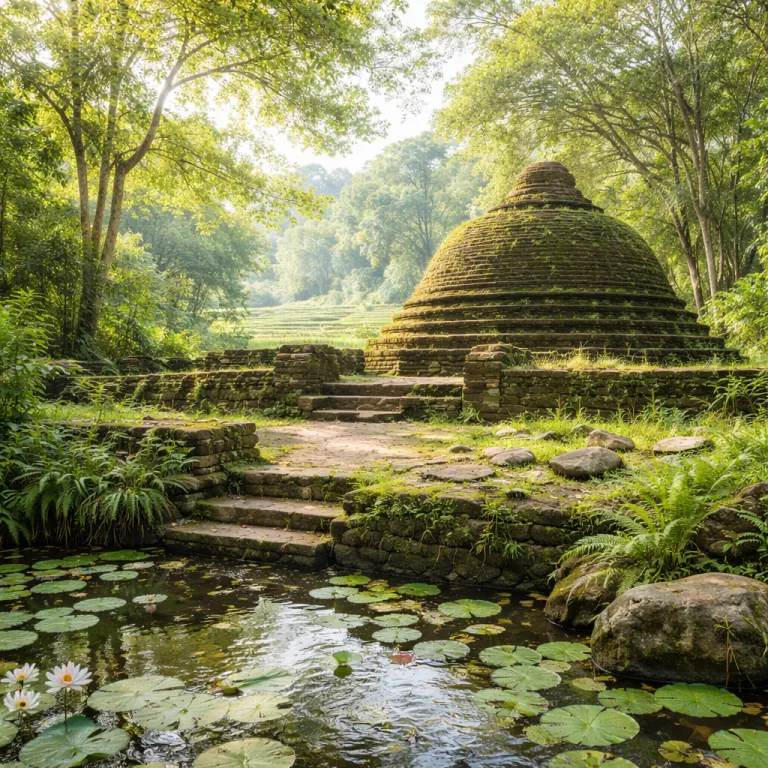
Why Sri Lanka heritage travel deserves more than a rushed triangle
Sri Lanka heritage travel is often squeezed between airport transfers and beach cocktails, reduced to a quick loop through the so‑called cultural triangle. Yet the island holds an intricate web of ancient city landscapes where silence, incense and birdsong still frame the day. Give these places real days and nights, and the story of Sri Lanka unfolds with a depth that no coastal sunset can match.
Most itineraries treat the Cultural Triangle as a single day tour, racing from Sigiriya to a cave temple and back to Colombo by night. A more thoughtful approach turns those same stops into a three or four night sequence, with slow mornings, curated guides and time to simply sit and watch the changing light on an ancient rock fortress. When you travel this way, Sri Lankan heritage becomes less about ticking national monuments and more about understanding how this island shaped trade, faith and daily life across the Indian Ocean.
The Central Cultural Fund and the Sri Lanka Tourism Development Authority now support guided tours, self‑guided visits and even virtual reality tools at major sites. Their shared aim is clear and ambitious, as they state that the goals are to “Preserve cultural heritage, Educate visitors, Promote tourism.” For luxury travelers, that means better on‑site service, more nuanced storytelling and a growing choice of premium hotels within easy reach of each sacred city and ancient city complex, many of which can be researched through official portals such as the Sri Lanka Tourism Development Authority, the Central Cultural Fund and the UNESCO World Heritage Centre. Photo: Sunrise over Sigiriya Rock Fortress, viewed from a nearby eco‑lodge terrace.
Sigiriya and Dambulla: beyond the postcard of the rock fortress
From the air, Sigiriya Rock rises from the forest like a ship at anchor. On the ground, this rock fortress reveals water gardens, frescoes and engineering that still feels quietly audacious. Many visitors try to visit Sigiriya as a rushed day trip from Colombo, a drive of around four hours each way, but the experience changes completely when you stay nearby for several nights.
Plan at least two days and one or two nights in the Sigiriya area, pairing a sunrise climb of Sigiriya Rock with an evening visit to the Dambulla cave temple complex, which typically opens from early morning until dusk with separate tickets for foreigners. As of early 2024, non‑resident adult entrance fees are commonly in the range of USD 30–35 for Sigiriya and around USD 10–15 for Dambulla, with children’s tickets usually lower; always confirm the latest prices and opening hours through the Sri Lanka Tourism Development Authority or Central Cultural Fund before you travel. The cave temple interiors, layered with murals and statues, reward slow looking and a private guide who can connect the art to wider Sri Lankan heritage narratives across the island. With more time, you can add a gentle national park safari at Minneriya or Kaudulla, where wildlife sightings of elephants and birdlife soften the transition between ancient ritual spaces and the living landscape.
High‑end lodges and villas now sit within a short drive of both Sigiriya and Dambulla, offering discreet service, strong sustainability credentials and refined Sri Lankan cuisine. Many properties can arrange private‑access‑style experiences, such as first‑light entries or specialist photography tours, which turn a standard visit into something closer to a residency. If you are combining this region with a Yala National Park safari, consider structuring your travel so that cultural days come first, then move south to a carefully chosen luxury camp near Yala using a tailored itinerary like an elegant escape to Yala Park for luxury stays and safaris.
Anuradhapura and Polonnaruwa: choosing your ancient city base
Every serious Sri Lanka heritage travel itinerary eventually confronts a choice between Anuradhapura and Polonnaruwa. Both are UNESCO‑listed, both are atmospheric, and both sit within easy reach of emerging luxury stays. The right decision depends on how you like to move through an ancient city and how many days you can give it.
Anuradhapura, often called the original sacred city, stretches across a vast plain of monasteries, reservoirs and still‑active temples. The city layout suits travelers who enjoy cycling or being driven between sites, pausing for long moments beneath bodhi trees while monks and families move through their daily rituals. Polonnaruwa, by contrast, is more compact, with exquisitely preserved stonework that rewards slow walking tours and detailed view after view of carved moonstones, guardian figures and serene Buddha images.
For solo travelers, a good rule is to allocate at least two days and one or two nights in each city if time allows, noting that entrance fees for foreign visitors are typically higher than for locals and help fund conservation. As a planning reference, non‑resident tickets for Anuradhapura and Polonnaruwa are often in the region of USD 25–30 per site, with opening hours usually from around 7:00 a.m. to late afternoon; check current details on the Sri Lanka Tourism Development Authority or Central Cultural Fund websites before finalizing your schedule. Use one day for guided storytelling tours that connect the ruins to wider Sri Lankan heritage narratives, then keep a second day for self‑guided wandering with a map or audio guide. When you base yourself in a refined villa or small luxury hotel near either city, you can return from the heat to plunge pools, thoughtful service and long views over paddy fields, then plan your next leg towards the hill country using resources such as elegant stays in Ella for panoramic hill country escapes.
Kandy, tea country and the quiet power of layered heritage
Kandy sits at the hinge between the lowland ancient cities and the misty tea plantations of the central highlands. For many travelers, this is where Sri Lanka heritage travel shifts from ruins and rock to ritual and rhythm. Stay at least two or three nights to feel how the city breathes beyond the famous Temple of the Tooth, which usually holds daily ceremonies that draw both pilgrims and visitors.
The sacred city core around the lake comes alive at dawn and dusk, when drummers, pilgrims and schoolchildren in white move between shrines and side streets. Increasingly, high‑end operators curate cultural tours that go beyond a standard day visit, arranging Kandyan dance residencies, classical music sessions or private meetings with artisans who keep centuries‑old crafts alive. When you pair these experiences with a refined hotel that understands quiet luxury, you begin to see how this heritage island holds both ceremony and everyday life in a single, seamless frame.
From Kandy, the train or a private transfer into the tea plantations offers one of the most beautiful journeys on the island, with travel times of roughly three to six hours depending on your chosen route and stops. Many luxury properties here occupy former planters’ bungalows or contemporary villas with wide‑view terraces over valleys and forested ridges. To understand how this region fits into the wider evolution of Sri Lankan hospitality, it is worth reading about the quiet luxury shift reshaping the island, then planning your own sequence of days and nights that link Kandy, the hill country and the ancient cities into a coherent, unhurried tour.
Weaving heritage, wildlife and the coast into one elegant itinerary
The real art of Sri Lanka heritage travel lies in how you connect the island’s ancient heartlands with its national parks and coastline. A thoughtful route might begin in Colombo for a single night, move into the Cultural Triangle for several days, then arc south towards wildlife‑rich landscapes and the Indian Ocean. Each segment should feel distinct yet linked by a consistent standard of service and accommodation.
From the Cultural Triangle, many travelers head east or south to a national park, often choosing Yala National Park for its leopard reputation or quieter reserves for birdlife and elephants. Staying in a refined camp near Yala or another park allows you to balance early‑morning wildlife drives with afternoons by the pool or spa, reflecting on the ancient stories you have just heard in Anuradhapura or Polonnaruwa. This rhythm of heritage days followed by wildlife days keeps the itinerary varied while still rooted in the same heritage island narrative.
Finally, the coast offers a softer landing, whether you choose the old city of Galle, a quiet bay near Tangalle or a more lively stretch closer to Colombo. Look for properties that reference local architecture and history rather than generic resort styling, and ask your hotel to arrange short tours to nearby temples, markets or lesser‑known ruins so that even your beach days carry a thread of Sri Lankan heritage. With careful planning of nights, tour days and transfers, you can move from rock fortress to sacred city, from tea plantations to national parks and back to the Indian Ocean without ever feeling rushed or overscheduled.
FAQ
What are the top heritage sites in Sri Lanka for luxury travelers ?
For travelers booking premium hotels, the most rewarding heritage sites include Sigiriya and its rock fortress, the Dambulla cave temple, Anuradhapura, Polonnaruwa and the sacred city core of Kandy. Each of these areas now offers a growing range of refined lodges, villas and small luxury hotels within a short drive of the main ruins or temples. Many properties can arrange private tours, specialist guides and seamless transfers between heritage sites, national parks and coastal stays, often drawing on information from the Sri Lanka Tourism Development Authority, the Central Cultural Fund and UNESCO listings.
How many days and nights should I plan for the cultural triangle ?
A well‑paced Sri Lanka heritage travel itinerary should allocate at least four to five days and three or four nights to the Cultural Triangle. That allows time for Sigiriya Rock and the nearby cave temple, plus either Anuradhapura or Polonnaruwa, without reducing everything to a single rushed day tour. With this duration, you can enjoy both guided storytelling tours and quieter self‑guided hours, returning each evening to a comfortable hotel with strong service standards.
Is it safe to travel to Sri Lanka’s heritage cities and national parks ?
Current guidance indicates that it is safe to travel to Sri Lanka’s main heritage sites and national parks when you follow standard travel precautions. The Central Cultural Fund and local authorities maintain key areas such as Sigiriya, Anuradhapura, Polonnaruwa and Kandy, while park authorities regulate wildlife viewing in places like Yala National Park. Choosing reputable tour operators and established luxury hotels adds another layer of security, especially for solo travelers.
Are guided tours necessary, or can I explore on my own ?
Guided tours are highly recommended for at least one day in each major heritage area, because expert guides can decode inscriptions, rituals and architectural details that are easy to miss. After that, many travelers enjoy a second day of self‑guided exploration using maps or audio guides, especially in the more compact zones of Polonnaruwa or around the sacred city core of Kandy. Most luxury hotels can arrange both private guides and transport, tailoring the balance between structured tours and independent time.
How can I combine heritage, wildlife and coastal stays in one trip ?
A classic pattern is to start with one night in Colombo, then spend several days and nights in the Cultural Triangle, followed by two or three nights near a national park such as Yala or Wilpattu, and finish with three or more nights on the coast. This sequence lets you move from ancient city sites and sacred city rituals to wildlife safaris, then unwind beside the Indian Ocean while still taking short heritage‑themed excursions. Working with a specialist platform focused on Sri Lanka luxury hotels helps you align transfers, tour nights and property choices so the whole route feels seamless.
Sample 5‑day Cultural Triangle itinerary
Day 1: Arrive in Colombo, drive to Sigiriya (about 170 km, typically 4–5 hours), sunset views of the rock from your lodge.
Day 2: Sunrise climb of Sigiriya Rock Fortress, afternoon pool time, evening village walk or Minneriya safari in season.
Day 3: Morning transfer to Dambulla cave temple (around 30 minutes), then continue to Polonnaruwa (about 1.5–2 hours) for an introductory guided tour.
Day 4: Self‑guided cycling or walking in Polonnaruwa’s ancient city, sunset at a nearby reservoir, dinner at a boutique hotel or villa.
Day 5: Early departure to Kandy (roughly 3–4 hours by road), afternoon visit to the Temple of the Tooth and evening cultural performance before heading into the hill country or back towards the coast.
References : Sri Lanka Tourism Development Authority ; Central Cultural Fund ; UNESCO World Heritage Centre.