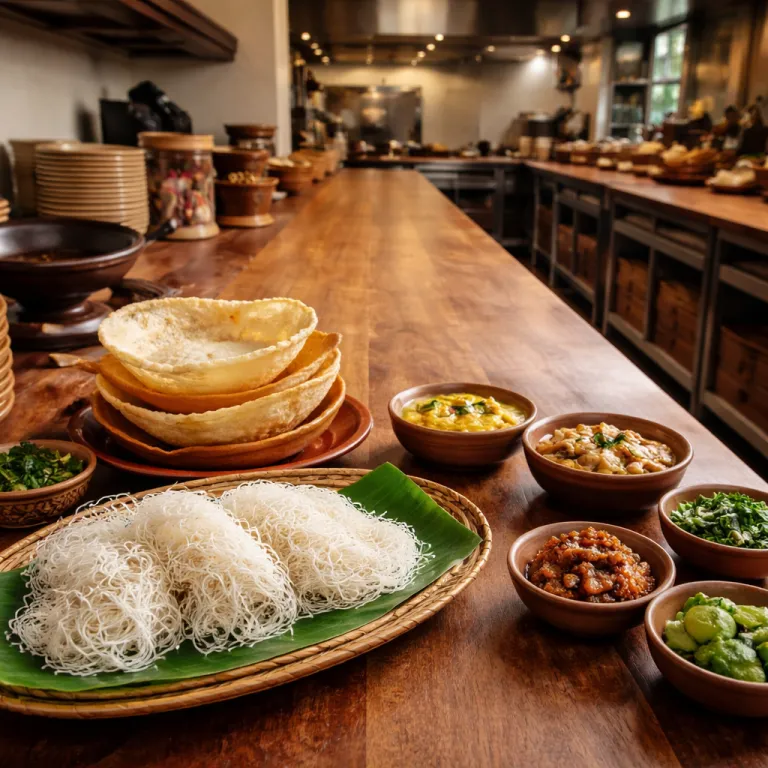
Sri Lanka culinary experience beyond the resort buffet
The most rewarding Sri Lanka culinary experience rarely starts at the buffet counter. It begins when you step behind the scenes of Sri Lankan cuisine and let a chef walk you through the rhythm of rice, curry and coconut. On this island, where tea hills meet surf breaks, you will find that the right hotel can turn every meal into a quiet masterclass in flavour, place and local tradition.
Luxury properties now understand that people travel to Sri Lanka for taste as much as for temples. Instead of a staged food tour, the best teams curate intimate encounters with Sri Lankan food, from early morning market runs to late night kottu sessions with cooks who grew up on these streets. This is where a curated Sri Lanka culinary experience earns its premium, because it connects you to the heart of daily life rather than to a generic show kitchen.
In Kandy, Heritage Kandy Cooking Class on George E. De Silva Mawatha typically anchors a full morning around the city’s markets, then guides you through rice and curry, sambols and sweets in a hands-on cooking class that lasts around three to four hours. Nearby, Sky Pavilion Hotel folds a similar culinary experience into its stay, pairing guided shopping with clay pot sessions that highlight coconut milk, rice flour and seasonal produce. Across the island in Tangalle, Anantara Peace Haven Tangalle Resort runs Mama’s Kitchen, where home-style Sri Lankan dishes are cooked with a high proportion of ingredients coming from the resort garden, according to the property’s own sustainability notes at the time of writing.
From Colombo to Galle: coastal hotels that cook with the tide
Along the southwest coast, a Sri Lanka culinary experience is shaped by the sea and the spice route. Colombo’s smartest hotels now treat lagoon crab, prawns and grilled reef fish as a canvas for Sri Lankan cuisine rather than as generic seafood platters. When you follow the shoreline towards Galle, you will find that the most memorable meals often happen in quiet courtyards or on candlelit terraces just above the surf.
For a deeper look at this shoreline scene, read about the new Sri Lankan dining landscape from Colombo to Galle in this guide to the evolving south coast restaurants and hotel tables. Many of these properties offer more than a standard food tour, inviting guests to join fishermen at dawn or to taste coconut milk curries cooked over firewood in beachside kitchens. The result is a layered culinary experience where each plate reflects both the tides and centuries of spice trade influences.
High-end hotels here often arrange a private cooking class focused on Sri Lanka food from the coast, such as ambul thiyal, tempered prawns or fragrant rice and curry with pandan and curry leaves. Couples can join chefs on a short tour of village markets, learning how Sri Lankans choose their fish, their rice and their coconut for the day’s meals. This stretch of island is ideal if you want to balance long swims and spa time with authentic food tours that still feel indulgent and unhurried.
Kandy and the hill country: where spice, rice and ritual meet
In the central hills, a Sri Lanka culinary experience takes on a slower, more ceremonial pace. Kandy sits at a crossroads where Sri Lankan cuisine, temple ritual and colonial tea heritage overlap in subtle ways. Stay at a refined hilltop hotel and you will find that breakfast might feature milk rice beside string hoppers, served with coconut sambol and a view over misty valleys.
Heritage Kandy Cooking Class has become a reference point for travellers who want more than a resort demonstration. Their team notes that “Traditional rice and curry, various vegetable curries, and local desserts” are typically prepared, and that “No, classes are designed for all skill levels” while “Yes, vegetarian and vegan options are included.” Sky Pavilion Hotel complements this by offering a curated culinary experience that starts in the market, continues through a hands-on cooking class and ends with a shared meal that feels like a private family lunch.
In tea country, some estates now pair tastings with lessons on how rice flour becomes delicate string hoppers, or how coconut milk enriches both savoury curries and sweets. These stays suit couples who want to join fewer group activities yet still enjoy meaningful contact with local food traditions and with Sri Lankans who cook every day. When you plan your route, consider spending several nights in one region so your Sri Lanka food experiences can deepen rather than rushing from one quick food tour to the next.
Inside the hotel kitchen: what genuine immersion really looks like
Not every Sri Lanka culinary experience offered by a hotel is created equal. A short, apron-on, photo-ready cooking demo beside the pool bar will not teach you much about Sri Lankan food or about the people who cook it. Genuine immersion feels slower, messier and more generous, and you will find it in properties that open their real kitchens and gardens to guests.
Look for programs that start with a market or garden walk, where chefs explain how they choose rice, curry leaves, coconut and spices for the day. The best teams invite you to join them as they grind rice flour, scrape fresh coconut and simmer coconut milk in clay pots over firewood stoves. You should be tasting as you go, adjusting salt and chilli, and learning why a traditional Sri Lankan rice and curry lunch tastes different in the hills than on the coast.
Some luxury hotels now publish clear information about how they source ingredients, mirroring the transparency you expect from a privacy policy or a cookie policy on a responsible travel website. When a property shares that most vegetables come from its own garden or from specific local farmers, it signals respect for Sri Lankan cuisine and for the wider community. For couples booking through a curated platform, this level of detail is as reassuring as any formal policy because it shows that the heart of hospitality still sits in the kitchen.
Designing a food focused itinerary with room for romance
A thoughtful Sri Lanka culinary experience can anchor your entire itinerary without crowding out rest or romance. Start by choosing two or three regions, such as Colombo and Galle for coastal Sri Lankan food, then Kandy or the tea country for cooler evenings and slower meals. Staying longer in each place means you will find time for both a structured cooking class and unplanned dinners that unfold naturally.
Use a specialist platform that curates luxury stays to filter for hotels with strong culinary programs, then read how each property describes its Sri Lankan cuisine offering. Some highlight immersive food tours, others focus on intimate chef’s table dinners or on rice and curry lunches served in paddy fields. This is also where a guide to elevated hotel experiences can help you compare options and align your expectations with what each Sri Lanka property genuinely delivers.
When you book, pay attention to how clearly the hotel explains its culinary experience, just as you would read its privacy policy or cookie policy before confirming payment. Properties that outline sample menus, mention Sri Lankan cuisine by name and specify whether you can join market visits usually take food seriously. Build in free evenings too, so you can follow local tips to a favourite kottu stall or to a family-run spot where Sri Lankans gather for late night Sri Lanka food and quiet conversation.
Practical tips for couples booking high end culinary stays
Planning a Sri Lanka culinary experience as a couple starts with honest questions about how hands-on you want to be. If one of you loves to cook and the other prefers to taste, choose hotels that offer both structured cooking classes and relaxed chef-led dinners. That way you will find a balance between learning Sri Lankan cuisine techniques and simply enjoying the results with a glass of wine by the pool.
Before you join any food tour or cooking class, share your dietary needs clearly, just as you would check a hotel’s policy on late check-out or spa access. Heritage Kandy Cooking Class and similar providers emphasise that no prior experience is needed, which makes these sessions ideal for travellers who are curious but not confident in the kitchen. Wear comfortable clothing, expect to handle ingredients like rice flour and coconut, and be ready to taste everything from mild milk rice to spicier kottu and rice and curry.
Finally, treat each meal as a chance to understand how Sri Lanka and its many communities express identity through food. Talk to chefs about how they learned to cook, ask which dishes feel most traditional to them and notice how often coconut milk, local vegetables and regional spices appear. Over a week or two, these conversations will turn a series of hotel meals into a coherent culinary experience that connects you to the heart of this island and to the everyday lives of Sri Lankans.
FAQ
What is the difference between a hotel cooking demo and a real cooking class ?
A hotel cooking demo is usually a short, staged presentation designed for entertainment, often held near a bar or buffet. A genuine cooking class in Sri Lanka is longer, hands-on and typically includes market visits, ingredient selection and full participation in preparing rice and curry, sambols and desserts. Experiences such as Heritage Kandy Cooking Class or the programs at Sky Pavilion Hotel show you how Sri Lankan cuisine is cooked at home, not just how it looks on a plate.
Do I need prior experience to join a Sri Lanka culinary experience ?
You do not need any prior cooking skills to join a Sri Lanka culinary experience in a hotel or dedicated school. Providers confirm that “No, classes are designed for all skill levels”, so beginners and confident cooks can learn side by side. Chefs guide you through each step, from washing rice to tempering spices in coconut oil or coconut milk, making the process approachable and enjoyable.
Which regions are best for food focused stays in Sri Lanka ?
For coastal seafood and south coast grills, Colombo and Galle are ideal bases, especially if you want easy access to lagoon crab and beachside grills. Kandy and the central hills are better for travellers interested in rice and curry rituals, spice gardens and structured cooking classes that highlight Sri Lankan cuisine. Tea country estates offer a quieter Sri Lanka culinary experience, pairing cool evenings with refined menus and views over plantations.
Are vegetarian and vegan travellers well catered for in Sri Lankan cuisine ?
Vegetarian and vegan travellers are usually very well served in Sri Lankan food culture because many traditional dishes are plant based. Providers state that “Yes, vegetarian and vegan options are included”, and you will find plenty of vegetable curries, coconut sambols, string hoppers and milk rice without animal products. High-end hotels can usually adapt menus further if you share your preferences in advance.
How can I combine food experiences with other activities on the island ?
The easiest way is to stay longer in each region so you can alternate cooking days with sightseeing or relaxation. For example, you might schedule a morning cooking class in Kandy, then visit temples in the afternoon, or pair a coastal food tour with a sunset cruise. By spacing out your Sri Lanka culinary experience elements, you keep the trip balanced while still gaining a deep understanding of Sri Lankan cuisine and daily life.