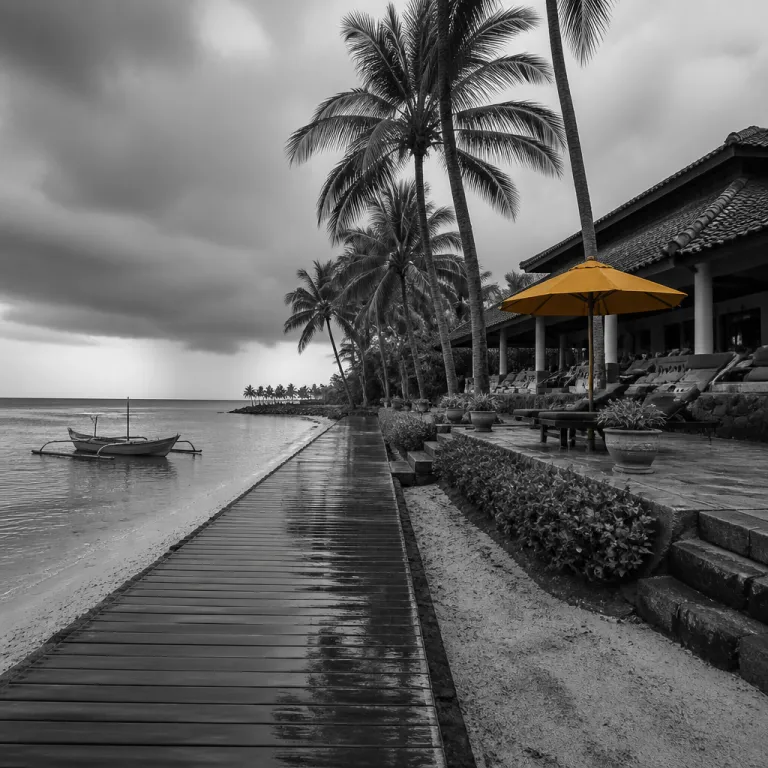
Reading the monsoon: why the east coast shines when the south is wet
On the island of Sri Lanka, the monsoon behaves like a metronome. The southwest monsoon season drenches the south and west coast while the east coast and much of the hill country sit under high blue skies, creating a rare window for couples who prefer calm bays over crowded beaches. Understanding this rhythm turns the so‑called off season into the best time of year for a quieter, more luxurious kind of time travel along the island’s less developed shoreline.
Sri Lanka lives by two monsoon systems that split the country into complementary halves. From about April to around October, the southwest monsoon brings heavier weather to the south and west coast, while the east coast and much of the Cultural Triangle stay relatively dry and warm with average daytime temperatures near 30 °C and modest rainfall.1 When you plan your Sri Lanka east coast itinerary around this pattern, you effectively swap umbrellas in Galle for sun hats in Trincomalee and Arugam Bay, choosing a good time to visit Sri Lanka when other travelers are still chasing the wrong coast.
For couples, this contrarian approach to trip timing pays off in several ways. Peak season crowds thin dramatically on the east coast, so even during the local July and August peak season there, you still find long empty sands and attentive service in luxury properties that would be fully booked in December–March on the west coast. Those who visit Sri Lanka during this shoulder season for the south can pair a few days in Colombo at a renovated city icon such as the Galadari hotel on the waterfront with a longer stay on the east coast, turning the monsoon into a design feature rather than a risk.
July and August on the east coast: Arugam Bay to Trincomalee
By the time July arrives, the east coast has quietly slipped into its own peak season. Historical climate data for Batticaloa, a coastal district between Pasikuda and Kalmunai, show an average temperature in August of about 30.1 °C and around 50 mm of rain, which means long beach days, warm seas and just enough cloud to soften the light for late afternoon swims.2 For couples planning Sri Lanka monsoon‑season beach travel on the east coast, this is the best time to string together several days between Arugam Bay’s surf breaks, Pasikuda’s shallow lagoons and Trincomalee’s reef‑lined bays without constantly checking the weather.
Arugam Bay is the headline act in this season, especially for surfers and those who like their luxury with a barefoot edge. The long right‑hand point breaks are at their most consistent from about June through early October, with typical wave heights of 0.6–1.8 m depending on the swell, and even non‑surfers enjoy the relaxed cafés, yoga decks and small‑scale premium guesthouses that line the main strip, where a good time is measured in slow mornings and late dinners rather than nightlife. Couples who usually stay on the south coast can think of Arugam Bay as a seasonal counterpart to the more polished Hiriketiya bay on the south coast, but with fewer people and a more elemental relationship with the sea during this monsoon season.
Farther north, Trincomalee and nearby Nilaveli and Uppuveli come into their own at this time of year. Here, July and August are the best time to visit Sri Lanka’s east for snorkeling, with clear water around Pigeon Island and reliable boat access thanks to calmer seas along this stretch of coast.3 Local tourism boards answer common questions very simply: “What are the best beaches on Sri Lanka's east coast? Nilaveli, Uppuveli, Pasikuda, and Arugam Bay. Is July a good time to visit Sri Lanka's east coast? Yes, it's the dry season with favorable weather. What activities are popular in Trincomalee during July and August? Snorkeling, surfing, and attending local festivals.”
Luxury stays, from surf facing suites to quiet coves
The hotel scene along the east coast is changing fast, and that matters for couples who value both privacy and polish. Investment that once flowed almost entirely to the south and west coast is now reshaping Arugam Bay, Pasikuda and Trincomalee, where new luxury and premium properties sit beside long‑standing family‑run places, giving east coast journeys during the southwest monsoon a far wider range of choices than even a few years ago. For travelers used to the curated intimacy of the south coast’s most coveted bays, such as those profiled in this refined guide to Hiriketiya, the east offers a similar level of comfort but with more space and softer price points during this shoulder season for the rest of the country.
Pasikuda is where you feel this shift most clearly, especially in July and August when the lagoon is glassy and the light stretches late into the evening. Several upscale resorts now line the bay, offering suites that open directly onto the sand, long pools parallel to the sea and quiet spa pavilions that make it easy to spend whole days without leaving the property, which suits couples who want a good time without constant movement. Because this is the east coast peak season rather than the island’s December–March holiday rush, service feels unhurried, and staff have more time to arrange private dinners, boat trips or even a tailored day trip to nearby villages.
Trincomalee’s luxury offering is more scattered but rewards those who plan their visit carefully. You will find premium hotels tucked behind coconut groves at Nilaveli, where early morning boat rides to Pigeon Island double as marine safaris, and smaller high‑end places around Uppuveli that specialise in long stays for couples who want to balance laptop time with sea breezes. When you compare timing options across Sri Lanka, this stretch of coast in the July to October window offers one of the best blends of reliable weather, refined stays and access to both culture and the sea, especially for travelers who have already experienced the classic west coast circuit.
Designing a monsoon smart itinerary: from Colombo to the cultural triangle and beyond
Planning Sri Lanka monsoon east coast travel is less about chasing the sun and more about sequencing the island’s regions in a way that respects the monsoon. A smart route for couples in July or August starts with one or two days in Colombo, then moves through the Cultural Triangle and on to the east coast, before looping back via the hill country if the weather cooperates. This pattern uses the monsoon season to your advantage, keeping you mostly in the dry zones while still allowing for a taste of the south or west coast if you are willing to accept a passing shower or two.
From Colombo, road travel to the Cultural Triangle usually takes around four to five hours, depending on traffic and the time of day. This central region, anchored by Sigiriya and Dambulla, often sits in a rain shadow during the southwest monsoon, making it a good time to climb rock fortresses and visit cave temples without the intense heat you might face in April or during the December–March holiday rush.1 After two or three days here, you can continue east to Trincomalee or Pasikuda, where road quality has improved in recent years but still requires patience; plan generous days for transfers rather than tight schedules.
Couples who want to add wildlife to their travels across Sri Lanka can fold in a national park such as Gal Oya or Kumana on the way to or from the east coast. These parks sit outside the classic south coast safari belt, which tends to be busier in the December–March and October–November windows, and they offer a quieter alternative during this shoulder season for the rest of the country. By the time you return to Colombo, you will have experienced three distinct faces of the country in a single month, proving that the so‑called wrong time of year can be the best time to visit Sri Lanka if you let the monsoon write your itinerary.
FAQ
Is July really a good time to visit Sri Lanka's east coast for couples?
Yes, July falls squarely within the east coast peak season, when the southwest monsoon is focused on the south and west coast and the east enjoys drier, sunnier weather.1 Average daytime temperatures around 30 °C and relatively low rainfall create a good time for beach‑focused itineraries, especially in Arugam Bay, Pasikuda and Trincomalee. For couples, this means warm seas, reliable boat trips and fewer crowds than during the December–March holiday period on the rest of the island.
How many days should we plan for Sri Lanka monsoon east coast travel?
For a relaxed trip that balances movement and rest, plan at least ten to twelve days in Sri Lanka during this season. A thoughtful itinerary might include two days in Colombo, three days in the Cultural Triangle, and five to seven days split between Arugam Bay and either Pasikuda or Trincomalee on the east coast. This gives you enough time to visit key sites without rushing, while still leaving space for spontaneous experiences and weather‑related adjustments.
What is the weather like on the east coast in August?
August on the east coast is typically hot, bright and relatively dry compared with the south and west coast at the same time of year. Historical climate records for Batticaloa, which lies inland from Pasikuda and north of Kalmunai, show an average temperature in August of about 30.1 °C and around 50 mm of rainfall, which usually comes in short bursts rather than all‑day storms.2 Sea conditions are generally calm enough for snorkeling, diving and boat trips, making this one of the best time windows for marine‑focused travel.
Can we combine the east coast with the hill country during the monsoon season?
It is possible to combine the east coast with the hill country, but you need to be realistic about weather and driving times. During the southwest monsoon, the hill country often sees mist, showers and cooler temperatures, which some couples find romantic and others find limiting for outdoor plans. If you value clear skies more than cool air, consider focusing on the Cultural Triangle and east coast in this month and saving the hill country and south coast for a later time of year when conditions there are more stable.
Are hotels and activities fully open on the east coast during the southwest monsoon?
Yes, July and August are operational peak season months for most hotels, restaurants and tour operators along the east coast. Because this is the main season for Arugam Bay surf, Trincomalee snorkeling and Pasikuda lagoon stays, you will find a full range of services available, from luxury resorts to specialist dive centers. The key is to book premium properties and key activities in advance, as the best rooms and guides can still sell out even though the rest of the country is in its quieter shoulder season.
References
- Sri Lanka Department of Meteorology – seasonal monsoon outlooks and regional climate summaries (Southwest Monsoon Season, latest available bulletin).
- World Meteorological Organization and national climate datasets for Batticaloa district monthly averages (30‑year climate normals for August air temperature and rainfall).
- Sri Lanka Tourism Promotion Bureau – official guidance on east coast beach and marine seasons, including Pigeon Island National Park access periods.