What Sri Lanka community tourism homestay really means on the ground
In Sri Lanka, community based travel is no slogan; it is a lived rhythm of village mornings, temple bells and fishermen easing their boats through the first light. When you choose a Sri Lanka community tourism homestay instead of a purely conventional hotel, you step into a local household where the tourism industry becomes a shared project between guests and hosts, not a distant corporate ledger. This form of homestay tourism lets tourists trade anonymous lobbies for verandas where a Sri Lankan grandmother rolls string hoppers while her grandson explains how tourism sri policies shape his community’s future.
Across sri lanka, these homestays are usually run by a local family that has converted one or two homestay units into simple but thoughtful homestay accommodation, often supported by NGOs focused on sustainable tourism and community development. A typical community based stay might include guided walks through paddy fields, a study visit to the village temple, and evening conversations about how based tourism helps people stay in their ancestral countries instead of migrating for work. For many tourists, the most authentic sri moments are not the curated tours sri operators sell, but the unscripted experiences that unfold when a child proudly shows the number of jackfruit trees planted as part of a development project.
Economically, this model of lanka tourism matters because a higher share of each tourist rupee reaches the people who actually host you, rather than leaving the tourism sector through international chains. The World Bank has estimated that tourism contributes around 12.5 % of Sri Lanka’s GDP, and the Sri Lanka Tourism Development Authority reports that about 400000 people work in the tourism sector, so even a small shift toward homestay operators can reshape livelihoods. For solo travelers, this means a Sri Lanka community tourism homestay offers not only an authentic experience, but also a direct way to support sustainable tourism in developing countries that are still navigating the aftershocks of each crisis sri has faced.
Coastal communities and fishermen's boats: where the sea writes the itinerary
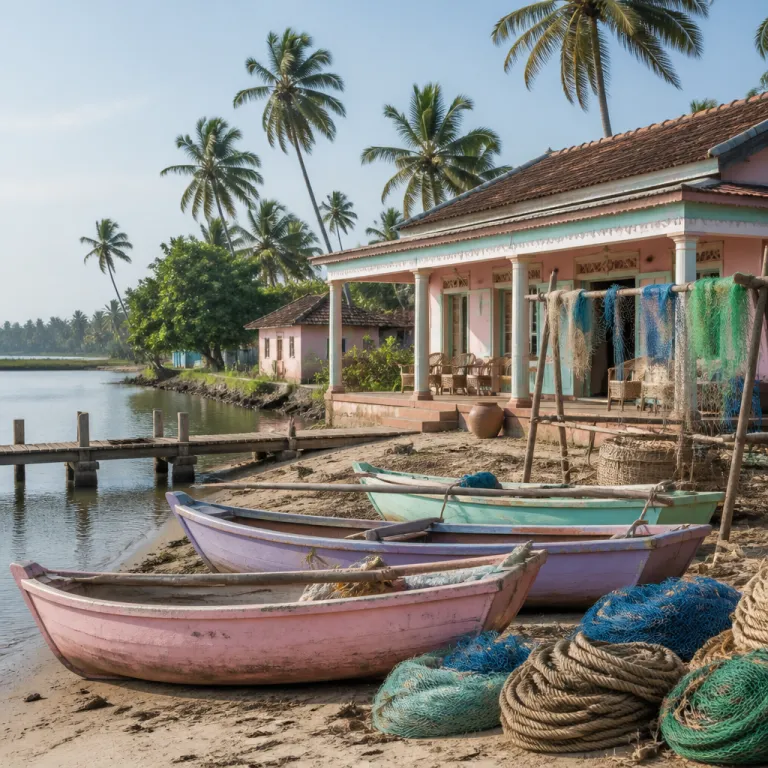
Along the island’s western and southern coasts, community based stays often revolve around the sea, where fishermen double as guides and the line between work and tourism blurs gently. In villages near Negombo, Kalpitiya or the quieter stretches south of Galle, a Sri Lanka community tourism homestay might begin before sunrise as you help push a wooden boat into the lagoon and listen to local stories about changing fish numbers and the pressures of tourism sri demand. Here, tourism industry actors are not faceless; they are the same people who mend nets at dusk and invite tourists to share a curry with their family after the catch is sold.
These coastal homestays and homestay units are usually modest, but the experiences feel richly layered, from learning to sort the morning catch to joining simple community development meetings under a palm-thatched shelter. Many tourists choose such homestays for a few nights before or after more polished holidays sri in nearby luxury properties, creating an itinerary where based tourism and high end comfort complement rather than compete. If you are planning where to stay along the coast for the first time, a region by region guide for first time visitors such as this detailed overview of where to stay in Sri Lanka can help you balance remote community experiences with easier access to transport hubs.
On these shores, the most authentic sri encounters often happen far from formal tours sri brochures, when a local family invites you to a beachside cricket game or a school event. Homestay tourism here is still evolving, and a careful study of how tourists behave has encouraged homestay operators to limit guest numbers so that sustainable tourism goals remain realistic. For solo travelers, this means you should book early, respect local customs, and remember that in many coastal communities of sri lanka, tourism is a fragile lifeline rather than an endless resource.
Hill country villages: tea slopes, cool air and slow conversations
Head into the hill country and the mood of Sri Lanka community tourism homestay experiences shifts from salt and spray to mist and tea, with ridgelines replacing reefs as the horizon. Around Ella, Haputale and smaller villages near Nuwara Eliya, community based stays are often woven into small scale farming, tea plucking and forest conservation, giving tourists a quieter window into sri lankan daily life. Here, a local homestay might sit above a valley of tea, where people wake early for the first bus while you sip your morning tea on a balcony that costs less than a hotel breakfast.
Many of these homestays and homestay accommodation options are linked to eco focused tours sri that include tree planting, water conservation walks and visits to small factories, turning tourism into a hands on study of how developing countries manage land and livelihoods. If you are already considering a refined tea estate stay, pairing a night or two in a community based village with a more polished property featured in guides to sleeping where the leaves grow in Sri Lanka’s central highlands, such as this tea estate stays guide, creates a balanced itinerary. The contrast between a heritage planter’s bungalow and a simple local family home makes the authentic sri character of the hill country even more vivid.
For the tourism industry, these upland homestay operators represent a quiet but important form of based tourism that keeps money circulating in remote communities instead of draining toward the coast. Tourists who stay in such homestay units often join informal tours sri that involve walking to waterfalls, visiting village schools, or helping with vegetable gardens, which deepens the experience beyond scenery. As in other parts of sri lanka, the tourism sector here depends on respectful tourists who understand that a Sri Lanka community tourism homestay is both a privilege and a responsibility.
Balancing luxury hotels with community based stays
For many discerning travelers, the question is not whether to choose a Sri Lanka community tourism homestay or a luxury hotel, but how to combine both in a single, coherent journey. One elegant approach is to anchor your trip with a few carefully chosen premium properties in Colombo, the south coast or the hill country, then weave in shorter community based stays that give context and depth to the landscapes outside the lobby. If you are refining your urban base, a resource on how to choose a refined hotel in Colombo for a memorable stay, such as this Colombo hotel selection guide, can help you pair city comfort with rural immersion.
Economically, this blended model respects the reality that the tourism sector in sri lanka relies on both large scale lanka tourism investments and smaller homestay operators who keep community development alive in less visited areas. Spending a few nights in homestays or homestay accommodation means that a greater number of local people benefit directly from your holidays sri, while your nights in high end hotels support formal employment and training in the wider tourism industry. For travelers from wealthier countries, this balance can feel like a practical response to the inequalities that often define tourism in developing countries, especially in moments of crisis sri when rural incomes are under pressure.
From a traveler’s perspective, alternating between polished hotels and homestay tourism keeps the experience fresh and layered, preventing fatigue from either constant luxury or constant simplicity. You might arrive from a city hotel where every detail is choreographed, then move to a local family home where the power cuts occasionally and the reward is a lesson in making hoppers over a wood fire. In both settings, the most authentic sri moments come when you treat hosts as partners in your journey rather than service providers, which is the quiet ethos running through Sri Lanka community tourism homestay stays across the island.
Practicalities: language, logistics and booking your stay
Planning a Sri Lanka community tourism homestay begins with clarity about what you want from the experience and how much comfort you need. Many homestay operators now work with responsible tour companies or simple community websites, which makes it easier for tourists to compare homestays, read reviews and understand what each local family offers. When you book, ask specific questions about homestay units, bathroom facilities, meals and any tours sri that are included, so that expectations on both sides remain aligned.
Language is rarely a barrier in sri lanka’s more visited regions, as younger people often speak some English while older hosts communicate through gestures, smiles and shared tasks, but learning a few Sinhala phrases is always appreciated. Safety standards in homestay tourism are generally improving as the tourism industry recognises the value of community based and based tourism models, yet you should still follow the same common sense precautions you would use in any developing countries you visit. As one local information sheet for travelers puts it clearly, “Respect local customs. Learn basic Sinhala phrases. Participate actively in activities.”
Logistically, reaching rural homestays may involve a train to the hill country, a bus along the coast or a tuk tuk ride down a dirt lane, which is part of the experience rather than an inconvenience. Many tourists choose to base themselves in a town with better transport and then arrange short tours sri to nearby villages, allowing them to enjoy both reliable infrastructure and authentic sri encounters. However you structure it, remember that every night spent in a Sri Lanka community tourism homestay sends a quiet signal to the tourism sri planners that travelers value people and place as much as polished amenities, which in turn shapes how the tourism sector will evolve in sri lanka.
FAQ
What is a community led stay in Sri Lanka ?
A community led stay in Sri Lanka is a form of homestay tourism where accommodations and experiences are managed directly by local communities rather than external hotel companies. Guests sleep in homestays or small homestay units, share meals with a local family and join everyday activities such as farming, fishing or cooking. This community based model keeps more tourism income within the village and supports long term development.
How can I book a Sri Lanka community tourism homestay ?
You can book a Sri Lanka community tourism homestay through responsible tour operators, dedicated community websites or direct referrals from other travelers. Many homestay operators now use simple online platforms or messaging apps to confirm dates, prices and included experiences. When booking, ask clearly about facilities, meals and any tours sri that are part of the stay so that both tourists and hosts share the same expectations.
Are community led homestays safe for solo travelers ?
Community led homestays in sri lanka are generally safe for solo travelers, especially in villages where tourism is well established and the local community is actively involved. Hosts understand that their reputation within the tourism industry depends on treating tourists with care and maintaining secure homestay accommodation. As with any trip to developing countries, you should follow standard precautions, share your itinerary with someone you trust and respect local customs.
What activities are usually included in these community based stays ?
Typical activities in Sri Lanka community tourism homestay programs include cooking classes, fishing trips with local fishermen, cultural workshops and guided walks through fields or tea gardens. Some villages in the hill country offer tree planting, water conservation projects or visits to small factories, turning your visit into a practical study of sustainable tourism. Many tourists also join informal tours sri to temples, markets or schools, which provide authentic sri insights into daily life.
Do I need to speak Sinhala to stay in a homestay ?
You do not need to speak Sinhala to enjoy a homestay tourism experience in sri lanka, as many hosts or their children speak basic English and are used to welcoming tourists from different countries. Learning a few simple phrases is still a sign of respect and often deepens your connection with the local family hosting you. Even when words fail, shared meals, village walks and small gestures usually carry the conversation in any Sri Lanka community tourism homestay.