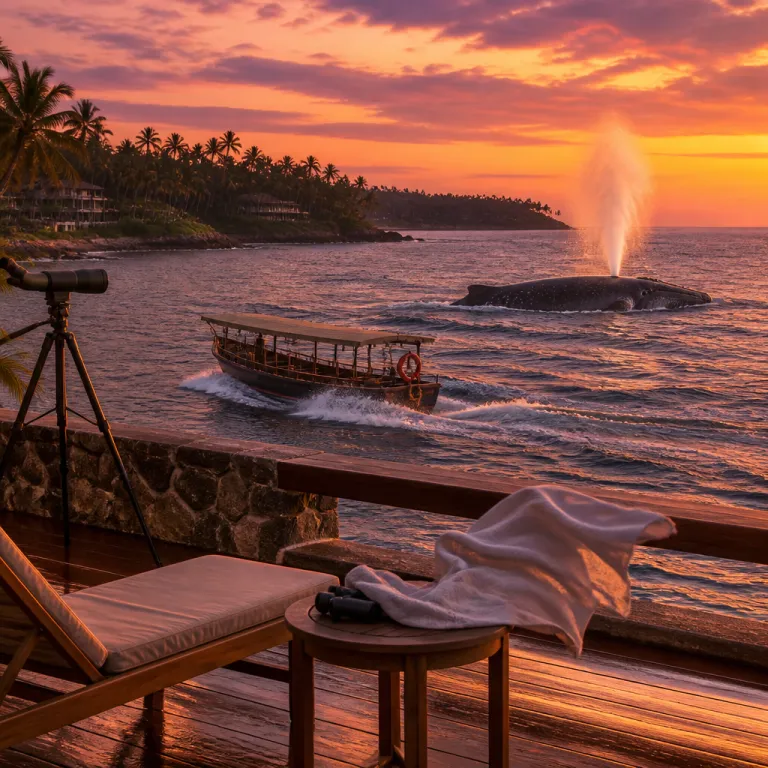
Reading the ocean calendar: when whale watching in Mirissa truly shines
Whale watching Mirissa Sri Lanka is all about timing and sea mood. Along this southern curve of Sri Lanka, blue whales follow krill rich currents that turn the deep water off Mirissa into a seasonal stage for giants. For couples planning a watching trip with a luxury hotel as base, understanding this rhythm is the best way to secure front row viewing without sacrificing comfort.
The main whale watching season off Mirissa runs from November into April, with the best time for blue whales generally between December and March when the ocean is calmer and visibility higher. Local données from Mirissa Water Sports indicate a blue whale sighting rate of 85 percent during peak season, and tours typically last between 3 to 4 hours so passengers should be ready for an early start and a slow glide back to shore. Outside the core months, sightings of whales and dolphins remain possible, but couples should expect more variable sea conditions and build flexibility into their watching tours.
Most whale watching tours depart from Mirissa harbor just after dawn, when the light is soft and the water usually at its gentlest. Operators often serve a simple morning tea on board before the first whale dolphin call goes up and the captain eases the boat toward a distant blow. For those prone to motion sickness, taking medication in advance and choosing a larger, more stable boat can transform a watching tour from endurance test into quietly thrilling ocean ritual.
Choosing the right operator: from boat design to international whale ethics
Not all whale watching Mirissa Sri Lanka experiences are created equal, and the choice of operator matters as much as the season. The best operators treat the ocean as a living sanctuary, not a racetrack, and they follow international guidelines that protect whales, dolphins and passengers alike. Couples booking through a premium hotel or a trusted platform should ask detailed questions before they book tour options, rather than relying on the first tout at the pier.
Look for small to medium sized boats that limit passenger numbers, because fewer passengers mean better sight lines and less stress on wildlife. Responsible captains keep a respectful distance from blue whales and other whales dolphins, cutting engines when close and never boxing animals in with multiple boats during a tour whale encounter. Ask whether a marine biologist or trained naturalist joins the watching tour, as their commentary on whale behavior, flying fish bursts and seabird patterns turns a simple watching trip into a deeper wildlife education.
Ethical operators in Sri Lanka will follow international best practice by approaching whales from the side, never from directly behind or in front, and by limiting time with any single mirissa whale pod. They should also brief tourists clearly on how to protect whales, including keeping noise low and never throwing anything into the water during watching tours. For couples combining whale watching with a luxury safari, it is worth choosing a company whose standards mirror the conservation focus of high end lodges in Yala or Wilpattu, and you can cross reference expectations with a detailed luxury safari guide such as the one on leopards at dawn and Sri Lankan national parks.
On board in Mirissa: what a luxury leaning whale watching morning feels like
The rhythm of whale watching Mirissa Sri Lanka begins in the half light, when the first boats slip out of mirissa harbor and the town is still yawning awake. Couples staying in nearby luxury hotels are usually collected before sunrise, driven the short distance to the pier and guided through the modest tax and ticket formalities by hotel staff or the tour équipe. Once on board, the mix of salt air, morning tea and low engine hum sets the tone for a slow approach to the deep ocean trench where blue whales feed.
As the coast falls away, the water shifts from jade to a dense cobalt, and the boat crew scan for blows, tail flukes and the quick arcs of dolphins. On a good day, passengers may see multiple blue whales rising in sequence, their immense backs curving out of the ocean with a grace that belies their size, while pods of spinner dolphins ride the bow wave and the occasional flying fish skitters across the surface like thrown silver. The best operators keep commentary calm and informative, explaining how Mirissa’s krill rich waters draw whales and why it is vital to protect whales through careful speed limits and approach angles.
Luxury leaning watching tours often provide padded seating, shaded upper decks and decent binoculars, small touches that matter during a four hour watching trip under the Sri Lankan sun. Some boats now use cleaner engines or hybrid systems, part of a quiet shift toward eco friendly boats that reduce noise and fumes around sensitive wildlife. For couples used to private yacht standards, it is worth asking in advance about boat maintenance, safety equipment and whether the operator carries international whale watching accreditation or works with marine conservation organizations.
Where to stay: from Mirissa beach pads to Tangalle’s discreet sanctuaries
For couples planning whale watching Mirissa Sri Lanka, the choice of hotel shapes the entire experience, from pre dawn wake up calls to the way you decompress after hours at sea. Staying directly in mirissa keeps transfers short, with several premium guesthouses and small luxury properties offering sea facing rooms, late breakfasts after tours and easy access to the beach. These options suit travelers who want to feel the hum of a working harbor, watch boats return with their passengers and still retreat to a calm, well designed room.
Just up the coast, Weligama offers larger international style resorts with expansive pools, polished spas and more structured service, ideal for couples who want both whale watching tours and reliable resort comforts. Many of these hotels can arrange private transfers to mirissa harbor, handle tour whale bookings, manage any required tax payments and pack a light breakfast to complement the on board morning tea. Further east, Tangalle becomes the choice for those who prefer space and seclusion, with properties such as Amanwella offering suites that open directly to the ocean, a 47 metre infinity pool and an Ayurvedic spa that feels perfectly tuned to post ocean unwinding.
From these Tangalle sanctuaries, the drive to Mirissa is longer but the reward is a quieter coastline and evenings that feel almost private, with only the sound of waves and the occasional fishing boat engine. Couples can alternate whale watching days with calm water swims, gentle coastal walks and long lunches that showcase the new southern Sri Lankan dining scene, which you can explore in depth through guides to spice, smoke and shoreline cuisine between Colombo and Galle on platforms such as MySriLankaStay. Wherever you base yourself, confirm that your hotel has a clear relationship with reputable operators, understands how to follow international guidelines and treats whale watching as a privilege rather than a box ticking excursion.
Beyond the blow: pairing Mirissa’s whales with southern Sri Lankan journeys
Whale watching Mirissa Sri Lanka may be the headline, but the south coast rewards couples who linger and layer their days. After a morning on the boats, many travelers head north to Galle for an afternoon among ramparts, galleries and refined cafés, trading the open ocean for stone walls and cinnamon scented courtyards. This contrast between marine wildlife and colonial architecture gives a watching trip a narrative arc, turning a single tour into part of a wider Sri Lankan story.
Closer to Mirissa, turtle hatcheries, small temples and quiet coves offer softer experiences that balance the intensity of blue whales and fast moving dolphins. Food focused tourists can follow a southern trail of crab shacks, refined curry houses and contemporary bistros, many of which now champion sustainable seafood in the same spirit that responsible operators protect whales and dolphins offshore. For couples with more time, combining Mirissa whale encounters with a few nights in the hill country or a leopard focused safari in Yala creates a multi layer itinerary where each landscape, from tea estates to ocean, feels distinct yet connected.
Throughout these journeys in Sri Lanka, the most rewarding pattern is to alternate high energy activities such as dolphin watching or a long watching tour with slower days of spa time, poolside reading and gentle coastal walks. This pacing respects both your own energy and the natural rhythms of the wildlife you have come to see, whether that is a whale dolphin pair slicing through deep water or a line of flying fish breaking the surface at dusk. In the end, the best time in lanka’s south is rarely about ticking off the most tours, but about choosing a few exceptional experiences and letting the ocean, the hotels and the light do the rest.
FAQ
What is the best time of year for whale watching in Mirissa ?
The highest chance of sightings for blue whales off Mirissa generally falls between December and March, when sea conditions are calmer and visibility is better. The broader season usually runs from November into April, with some tours operating slightly beyond these months depending on weather and whale movements. Couples should aim for the core months if whale watching is the main reason for their trip and build a few spare days into the itinerary in case of rough water.
How long do whale watching tours from Mirissa usually last ?
Most whale watching tours departing from mirissa harbor last between three and four hours, including the time spent leaving and re entering the bay. Boats typically reach the deeper ocean feeding grounds after 45 to 60 minutes, then spend a similar period searching for whales, dolphins and other wildlife before returning to shore. Passengers should bring sun protection, light clothing and any seasickness medication they may need for the full duration.
Are whale watching tours from Mirissa suitable for children and older travelers ?
These tours are generally considered family friendly and suitable for a wide range of ages, provided that guests are comfortable with early starts and potentially choppy water. Larger, more stable boats with shaded seating are usually better for children and older passengers, and many operators will advise honestly on sea conditions on the day. Luxury hotels can often recommend specific companies known for careful safety briefings, good life jacket provision and patient crew.
How can I make sure my whale watching tour is ethical and responsible ?
Choose operators who clearly state that they follow international whale watching guidelines, limit the number of boats around each animal and keep a respectful distance at all times. Responsible companies will brief tourists on how to behave on board, avoid sudden noise and never throw anything into the water, and they often work with marine conservation organizations. Asking about boat numbers, approach rules and whether a naturalist joins the tour is a simple way to gauge how seriously an operator takes wildlife welfare.
Should I book my whale watching tour in advance or on arrival in Mirissa ?
During the peak months of the Mirissa whale season, it is wise to book tour places in advance, especially if you prefer smaller boats or want a private charter arranged through a luxury hotel. Pre booking allows you to align your watching trip with specific days in your itinerary and gives time to check safety standards, insurance and any included services such as transfers or morning tea. Outside the busiest weeks, it is often possible to arrange tours on arrival, but quality focused travelers still benefit from researching and reserving with a reputable operator before they travel.