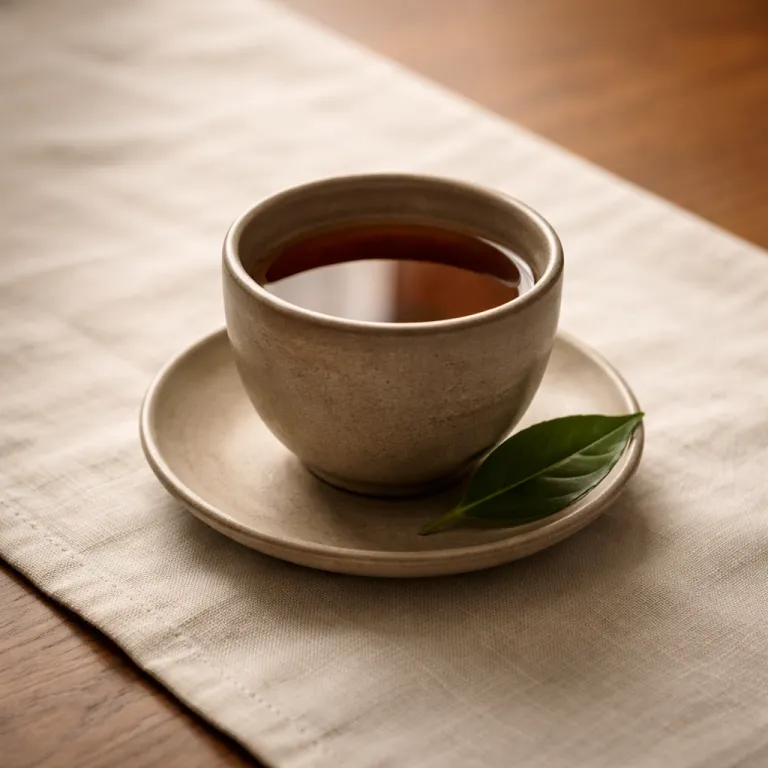
What a Sri Lanka tea estate hotel stay really feels like
A Sri Lanka tea estate hotel stay is less about a lobby and more about rhythm. You wake to mist rolling over a working tea estate, hear the first clink of cups, then watch Sri Lankan pickers move in quiet lines through the emerald rows. Children notice the small things first, like dew on leaves and the distant whistle from a tea factory hidden in the Hill Country.
On a well-run estate in Sri Lanka, the day follows the life of Ceylon tea rather than a resort timetable. Families can walk gentle trails between tea plantations, pause at a bungalow veranda for hot chocolate, then continue towards the old factory where guides explain how green leaf becomes the amber liquor in your cup. These experiences turn a simple stay into a living geography lesson, with the country’s colonial past and present production laid out in one mountain range.
Most Sri Lanka tea estate hotel properties keep guest numbers low, which suits premium family travelers seeking space. You might have only a handful of rooms or a single large bungalow, yet the offers of activities feel extensive and flexible for different ages. Expect staff who know when to step back, when to arrange a spontaneous picnic above Castlereagh Lake, and when to suggest a quiet hour on the lawn while the children help a tea planter in the vegetable garden.
From Kandy to Ella: mapping the highland tea trails for families
The classic Kandy to Ella train line is more than a transfer; it is the spine of the Sri Lanka tea estate hotel landscape. As the carriages climb from the city into the Hill Country, you pass tea plantations, forest patches, and small Sri Lankan towns that still depend on the factory whistle. Families should treat this as a moving classroom, pointing out each tea estate, waterfall, and mountain range as they appear at the windows.
Kandy itself suits shorter stays, with easier access to cultural sites and less time among the high estates. Ella, by contrast, has become the poster child for younger hikers, yet premium families often prefer quieter bases along the tea trails near Hatton, Haputale, or Nuwara Eliya. For a deeper guide to how these regions connect with the coast and jungle, use a highland hideaways overview such as this practical guide to Sri Lanka resorts on coastal, jungle, and highland routes from MySriLankaStay.
Look for a Sri Lanka tea estate hotel that offers transfers from the nearest station, so the romance of the train does not turn into a logistics puzzle with luggage and children. Some hotels position themselves as a kind of eco lodge within a working tea landscape, while others lean into the heritage of a former factory hotel or planter’s bungalow. When planning, balance journey time, altitude, and the type of experiences your family prefers, whether gentle trails, tea eco workshops, or more structured farm-style activities.
Ella, Nuwara Eliya, and Haputale: choosing your tea country base
Ella sits on a ridge where the Hill Country drops towards the plains, with big views and a lively backpacker strip. It is dramatic and fun, yet many premium families find that a Sri Lanka tea estate hotel closer to Nuwara Eliya or Haputale offers more privacy and calmer evenings. The choice between these towns shapes your experiences as much as the hotel itself.
Nuwara Eliya, often shortened to Nuwara by locals, carries the strongest echoes of old Ceylon, with racecourse lawns, a cool climate, and manicured gardens. Here, properties like Heritance Tea Factory rise from former industrial shells, turning a 19th-century tea factory into a high-altitude retreat where you sleep above the withering floors. For a deeper look at refined options in this area, consult a specialist overview such as this guide to elegant stays in the hills and Nuwara Eliya hotels from MySriLankaStay.
Haputale and the surrounding valleys feel wilder, with tea plantations dropping steeply towards the lowlands and clouds moving fast across each tea estate. Families who value long trails, organic farms, and quieter roads often choose this region for a longer stay in Sri Lanka. Whether you base yourself near Nuwara Eliya, Haputale, or in the valleys around Castlereagh Lake, the best approach is to pick one Sri Lanka tea estate hotel and settle in for several nights rather than hopping between hotels.
Inside the estates: from Heritance Tea Factory to organic hill farms
Staying at Heritance Tea Factory in the hills above Nuwara Eliya is the purest expression of sleeping inside a former factory hotel. The original tea factory machinery, timber beams, and metal staircases frame a stay where you can trace every stage of Ceylon tea production before returning to a warm room with wide views. This is where the phrase Heritance Tea becomes tangible, as industrial heritage and Sri Lankan hospitality share the same high corridor.
Elsewhere in the country, Rosyth Estate House turns a 1920s planter’s bungalow into a family-friendly Sri Lanka tea estate hotel, with around 60 acres of working tea and rubber. Aaditya Tea Bungalows sit within a rehabilitated tea plantation of roughly 200 acres, where trails lead from each bungalow to streams and viewpoints without ever crossing a public road. At Amba Estate and Haldummulla Estate, the focus shifts towards organic farming, single-origin Ceylon tea, and hands-on experiences that suit curious children and parents equally.
Gartmore Estate, near Castlereagh Lake, offers natural pools and single-origin tea tastings, while Eagle Rock Estate near Ella mixes tea, coffee, cinnamon, and pepper in one working tea landscape. Governor's Mansion in Hatton Dickoya leans into English-style formality, yet still connects guests to the surrounding tea plantations through walks and picnics. These hotels show how a Sri Lanka tea estate hotel can honour the role of the tea planter, preserve history, and still feel like a contemporary eco lodge with thoughtful tea eco initiatives.
Planning a premium family stay: seasons, comfort, and new openings
Highland weather in Sri Lanka is part of the charm, but it demands planning for families. Mornings on a Sri Lanka tea estate hotel terrace can feel crisp, with mist over the tea plantations, while midday sun warms the trails and late afternoons invite shawls and cardigans. Shoulder seasons often offer the best balance of clear views, softer light over each tea estate, and fewer crowds on the Kandy–Ella line.
New properties continue to refine what a Sri Lankan Hill Country stay can be, with a shift towards standalone villas within historic estates rather than large hotels. Uga Halawatta, on a historic estate above Castlereagh Lake, shows this direction with restored buildings that keep the planter-era proportions but add contemporary comfort. The same trend appears in places like Uga Ghiri on Sutherland Estate near Ella and in the way estates such as Rosyth or Aaditya design each bungalow as a semi-private retreat within a working tea landscape.
When comparing options on a site like MySriLankaStay, notice how each Sri Lanka tea estate hotel describes its experiences, from tea trails walks to tea factory visits and tea eco workshops. Some hotels emphasise wellness and spa rituals, others highlight Madulkelle tea-style glamping or Dunkeld tea–inspired lake views, and a few combine all of these offers with easy access to the coast via renovated city properties such as the Galadari Hotel on Colombo’s waterfront. As one reference guide notes, "Amenities include guided tea tours, traditional dining, and scenic views."
FAQ
Are Sri Lanka tea estate hotels suitable for families with young children?
Many Sri Lanka tea estate hotel properties are well suited to families, offering spacious rooms, flexible meal times, and safe gardens for play. Estates such as Rosyth, Aaditya, and Amba provide gentle trails and farm-style activities that engage children without long transfers. Always check age policies for factory tours and steeper walks, as some experiences may have minimum age guidelines.
What is the best time of year to stay in the Hill Country tea plantations?
The Hill Country is technically a year-round destination, but shoulder seasons often provide the best mix of clear skies and softer light over the tea plantations. During these periods, families enjoy comfortable daytime temperatures for walks and cooler evenings around the fire. Rain can arrive at any time, so pack layers and light waterproofs rather than relying on a single season.
How far in advance should I book a Sri Lanka tea estate hotel?
Premium Sri Lanka tea estate hotel properties tend to be small, with limited rooms or villas, so advance booking is essential. For peak holiday periods and popular estates near Nuwara Eliya or Castlereagh Lake, securing your stay several months ahead is wise. Shoulder seasons offer more flexibility, but families still benefit from early reservations to secure the best room configurations.
What kind of activities can we expect during a tea estate stay?
Typical activities at a Sri Lanka tea estate hotel include guided walks through tea fields, visits to a tea factory, and tastings that explain the nuances of Ceylon tea. Many estates add cooking classes, birdwatching, cycling, and visits to nearby waterfalls or villages. Some properties also offer wellness treatments, yoga, or simple picnics on hilltops with wide views of the surrounding mountain range.
How do I reach the Hill Country tea estates from Colombo or the coast?
Most travelers combine a scenic train journey on the Kandy to Ella line with private car transfers arranged by their chosen Sri Lanka tea estate hotel. The train provides sweeping views of tea plantations and valleys, while the final approach by car allows flexible stops and easier luggage handling. Families often choose to travel one way by train and return by road, balancing romance and practicality.