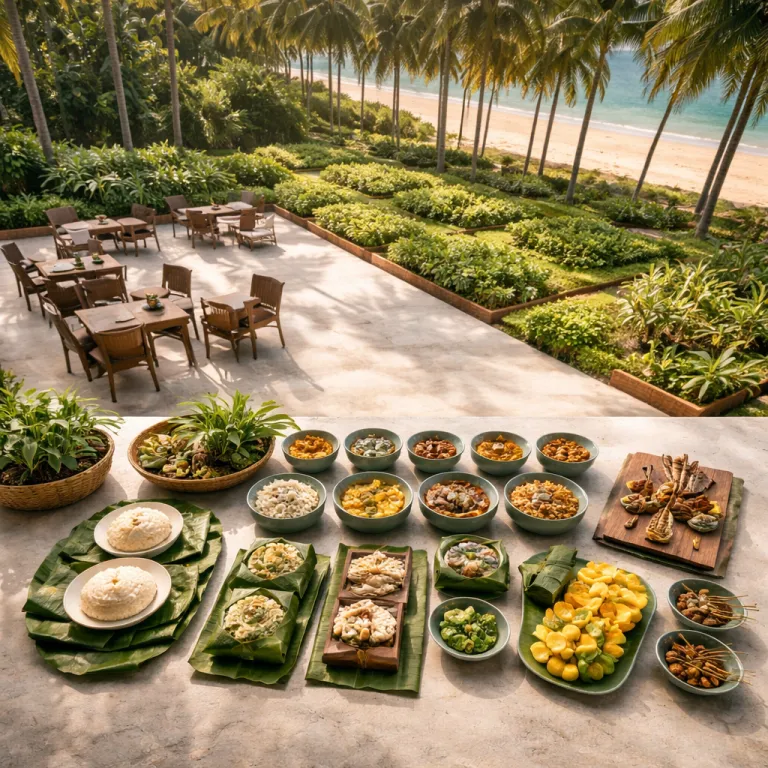
Why Sri Lanka food culture now belongs on your luxury itinerary
Sri Lanka food culture has finally stepped out from the shadow of beaches and temples. When Condé Nast Traveller readers ranked the island among the world’s top food destinations in the 2023 Readers’ Choice Awards, placing it seventh with a score of 95.56 %, they were responding to something deeper than a photogenic curry on a banana leaf. For couples planning a high end stay, this shift means that choosing a hotel in Sri Lanka now also means curating which kitchens, chefs and regional Sri Lankan food traditions you want to wake up to each morning.
At its core, Sri Lanka food culture is a conversation between rice, coconut and spice that has evolved over centuries of trade and empire. A typical Sri Lankan meal still revolves around rice and curry, but the way luxury properties handle that rice, those aromatics and the coconut milk now signals their seriousness about Sri Lankan cuisine. A thoughtful hotel will know that “a typical meal consists of rice served with various curries” and will elevate that familiar rice and curry format into a tasting journey rather than a buffet line, treating each component as a carefully seasoned course.
The island’s culinary identity is not a derivative cousin of Indian cuisine, but a distinct matrix shaped by Sinhalese, Tamils, Muslims and Malays, each bringing their own food memories to the table. You taste it in the way grated coconut is pounded with chilli into pol sambol, in the sour heat of wambatu moju made from pickled eggplant and in the smoky depth of a slow cooked fish curry that leans on local ingredients from nearby fishermen. At properties such as Uga Residence in Colombo or Amanwella on the south coast, the most rewarding experiences let you eat like a local at breakfast, then reinterpret traditional Sri Lankan dishes at dinner with the same confidence as any European fine dining room.
What sets Sri Lanka apart from its neighbours is the precision of its spice work and the omnipresence of coconut in every form. Coconut milk softens the fire of roasted curry powders, coconut oil carries aromatics through a dish and fresh grated coconut adds texture to short eats and sambol relishes. When a chef understands this grammar, even something as simple as egg hoppers with pol sambol at dawn can feel as luxurious as any tasting menu, especially when paired with single estate Ceylon tea from the highlands rather than a generic breakfast brew. As one Colombo based chef put it, “If the first hopper of the day isn’t perfect, nothing else on the menu will be.”
From hopper pan to hotel kitchen: how luxury properties stage Sri Lankan flavours
In Colombo and along the southwest coast, the most interesting luxury hotels now treat their kitchens as cultural stages rather than anonymous back of house spaces. You see it in open hopper stations where string hoppers are pressed from rice flour and steamed to order, and in clay pots lined up over charcoal, each holding a different Sri Lankan curry from jackfruit to crab. At Cape Weligama, for example, couples can watch cooks swirl batter in well seasoned pans before serving crisp, lace edged hoppers with a trio of sambol and coconut milk based gravies, turning breakfast into theatre and dinner into a masterclass in ingredients.
Many of the best properties have moved beyond token “Sri Lanka night” buffets and instead weave local cuisine through every meal period. A poolside lunch might feature light, almost delicate fish curry with tempered greens, while evening tasting menus reinterpret street food favourites like deep fried short eats into refined canapés. When you see wambatu moju, pol sambol and coconut milk based gravies sharing space with grilled lagoon prawns and heritage rice, you know the kitchen is confident enough to let Sri Lanka food culture lead rather than decorate, using regional Sri Lankan food as the backbone of the experience.
For travelers choosing where to stay, one useful litmus test is how a hotel handles its hoppers. Do they offer both plain hoppers and egg hoppers cooked in well seasoned pans, served with a choice of sambol, coconut milk kiri hodi and slow simmered curry sauces, or is it a single token hopper on a generic buffet. Properties that take the time to grind rice flour in house, toast their own spices and source fresh fish daily from local partners tend to be the same ones investing in serious culinary teams and training, often led by named executive chefs who mentor younger Sri Lankan cooks.
If you want to go deeper, look for hotels that offer curated culinary immersion experiences rather than just a one off cooking class. Some of the most compelling stays now pair market visits and street food walks with hands on sessions at the hotel’s outdoor kitchen, a trend mapped in detail in this guide to culinary immersion experiences worth booking. These programs let you work with clay pots, stone grinders and wooden utensils, learning how traditional Sri Lankan methods like slow frying spices or gently steaming string hoppers shape the final dish you later enjoy under the stars.
Colombo to Galle: can the coastal corridor sustain world class dining
Colombo has quietly become the testing ground for whether Sri Lanka can sustain international level dining that still feels rooted in local food traditions. In the capital, a new generation of chefs is using local rice varieties, lagoon fish and heirloom vegetables to build menus that sit comfortably alongside global tasting rooms without losing the soul of curry and rice. The question for luxury travelers is not whether to eat in Colombo, but how to balance time between hotel restaurants and the city’s independent dining rooms such as Ministry of Crab or Monsoon.
Across the city, you will find contemporary spaces where tea is treated with the same respect as wine, and where short eats once sold as street food are reimagined as precise, almost architectural bites. A plate might pair crisp, deep fried cutlets with a bright pol sambol gel, or layer string hoppers under slow cooked lamb with coconut milk foam and roasted curry jus. These kitchens are not chasing trends; they are building a language for modern Sri Lankan cuisine that hotels along the coast are beginning to adopt and refine, often inviting guest chefs from Colombo to host collaborative dinners.
Two hours south, Galle Fort has turned its colonial era townhouses into intimate dining rooms where Sri Lankan chefs cook for a clientele that expects both romance and rigour on the plate. Here, a simple fish curry becomes a study in terroir, using line caught fish from the nearby shore, spices from inland traders and grated coconut from smallholder farmers who have supplied the region for generations. For couples staying in high end properties, an evening walk through the ramparts followed by a tasting menu that moves from rice flour crackers to wambatu moju and egg hoppers can feel like the most complete expression of Sri Lanka food culture in a single night.
If you want a structured overview of this evolving corridor, the guide to the new Lankan dining scene from Colombo to Galle is a useful starting point. It charts how mid range bistros, fine dining rooms and hotel kitchens are sharing ideas, from refined street food plates to tea pairings that highlight regional differences in soil and altitude. For hotel selection, this means you can now choose properties not only for their pools and suites, but for their proximity to serious cuisine and their willingness to collaborate with independent chefs and producers.
From paddy field to plate: how terroir and tradition shape luxury menus
The real power of Sri Lanka food culture lies in its supply chain, which is still close enough to the land and sea that luxury hotels can build menus around true terroir. The Sri Lanka Department of Agriculture reports at least 15 distinct rice varieties under cultivation, and when a property lists the specific grain in its rice and curry rather than just “steamed rice”, it signals a respect for detail that usually runs through the rest of the cuisine. Coconut production runs into billions of nuts annually, with the Coconut Development Authority estimating around 2 500 million coconuts a year, giving chefs an almost endless palette of coconut milk, oil and grated coconut textures to work with across savoury and sweet dishes.
Many of the most interesting hotel kitchens now work directly with local farmers, fishermen and spice traders, shortening the distance between paddy field and plate. Clay pots bubble with slow cooked stews made from same day catch fish, while wambatu moju uses eggplant grown less than 50 kilometres away and cured with region specific spices. When you sit down to eat at these properties, you are tasting not just a dish but a network of relationships that supports rural economies and preserves traditional Sri Lankan methods like stone grinding and wood fired cooking, often showcased in open air pavilions.
There is a parallel movement in wellness focused retreats, where the line between ayurvedic philosophy and Sri Lankan cuisine is becoming more porous. Menus lean into lightly fried or steamed preparations, heritage rice, coconut milk based broths and sambol made with minimal oil, aligning with personalized treatment plans and tea rituals. If this intersection of healing and gastronomy appeals, the in depth feature on transformative wellness retreats shows how some properties are using ingredients like rice flour, fresh fish and spices to create food that is both delicious and restorative.
Can Sri Lanka build a globally recognized fine dining identity, or will its strength always lie in rustic authenticity served on banana leaves and at street food stalls. The most convincing answer so far comes from hotels and restaurants that refuse to choose, serving refined versions of short eats alongside polished tasting menus that still honour the structure of a home style rice and curry. As long as chefs continue to respect the grammar of hoppers, roti, sambol, egg curries and tea, while sourcing ingredients with care and letting Sri Lankan food speak in its own accent, couples booking premium stays will find that the island’s most memorable luxury is often not the plunge pool, but the first perfectly crisp egg hopper of the morning.
Key figures shaping Sri Lanka’s culinary appeal
- Condé Nast Traveller readers ranked Sri Lanka seventh among global food destinations in the 2023 Readers’ Choice Awards, with a score of 95.56 %, signalling that Sri Lanka food culture now competes with long established culinary capitals for discerning travelers.
- The Sri Lanka Department of Agriculture reports at least 15 distinct rice varieties under cultivation, giving chefs a broad foundation for rice and curry preparations that range from everyday Sri Lankan food to high end tasting menus.
- According to the Coconut Development Authority, annual coconut production reaches around 2 500 million nuts, underpinning the central role of coconut milk, grated coconut and coconut oil in Sri Lankan cuisine from street food to luxury hotel dining.