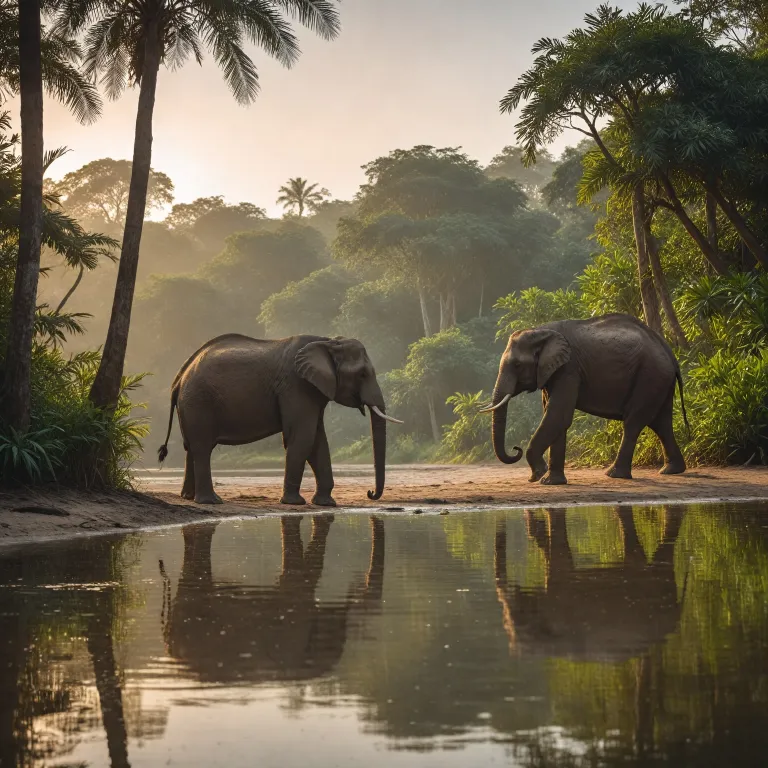
Elegant journeys to meet the elephants of Sri Lanka
The elephants of Sri Lanka shape many travellers’ first impressions of the island, and they also quietly define where the most desirable luxury retreats are built. A Sri Lankan elephant is not just an animal in the wild ; it is an endangered subspecies whose movements, needs, and fragile elephant population influence how premium resorts design their landscapes, lighting, and guest activities. When you plan a stay, understanding how lankan elephants live in protected areas and in human dominated areas helps you choose hotels that respect both comfort and conservation.
For guests booking in English, the language of most high end travel platforms, the terms elephant conservation, national parks, and human elephant coexistence appear frequently in descriptions of Sri Lankan stays. This is because the Sri Lankan elephants, formally classified as Elephas maximus maximus, are central to the island’s ecological balance and to the identity of every refined national park lodge. Many luxury properties now work with the Department of Wildlife Conservation to align guest experiences with responsible elephant conservation, especially in the dry zone where wild elephants and farms overlap. As a result, the best curated itineraries weave together spa rituals, fine dining, and guided encounters with wild elephants in nearby national parks.
When you compare hotels online, look for clear references to Asian elephants, elephant conservation projects, and ethical viewing of elephants Sri in the wild rather than staged interactions. Properties near Yala National Park, Udawalawe National Park, and other national parks in the dry zone increasingly publish elephant distribution maps and elephant conflict guidelines for guests. This transparency signals that the hotel understands the pressures on lanka elephants and is committed to reducing human elephant conflict while still offering refined, memorable wildlife experiences.
Where luxury meets the wild elephants of Sri Lanka
Choosing a premium stay near the elephants of Sri Lanka involves more than simply picking a five star name on a map. In regions bordering Yala National Park and Udawalawe National Park, the finest retreats position suites and villas to overlook waterholes where wild elephants and other wild populations gather at dusk. These properties often employ naturalists fluent in English who can interpret the behaviour of Asian elephants, explain the science behind elephant conservation, and guide you through the complexities of human elephant relationships in nearby villages.
In these areas, the presence of Sri Lankan elephants shapes everything from landscaping to night time lighting, because poorly planned design can push wild elephants closer to crops and homes. Resorts that take elephant conservation seriously work with the Department of Wildlife Conservation to minimise elephant conflict, using soft boundaries and wildlife friendly fencing that protect both guests and lankan elephants. When you read hotel descriptions, look for references to protected areas, elephant population monitoring, and partnerships with conservation organisations that support Elephas maximus and other Asian elephants across Sri Lanka.
Many high end spa hotels now integrate wellness with responsible wildlife viewing, allowing you to combine restorative treatments with early morning drives to see wild elephants in national parks. For inspiration, you can explore this guide to the best spa hotels in Sri Lanka for luxury wellness seekers, then filter options by proximity to Yala or Udawalawe. This approach lets you enjoy refined spa rituals while staying close to the elephants Sri that roam the dry zone, ensuring your travel choices support both personal wellbeing and elephant conservation.
Designing ethical elephant experiences from your hotel
For travellers booking luxury stays, one of the deepest subjects is how hotels curate ethical encounters with the elephants of Sri Lanka without worsening elephant conflict. The most responsible properties avoid direct contact experiences and instead focus on guided drives into national parks where wild elephants can be observed at a respectful distance. In Sri Lanka, this usually means dawn or dusk excursions into Yala National Park, Udawalawe National Park, or other protected areas where the elephant population still moves relatively freely.
Within these national parks, you may encounter herds of Asian elephants, solitary bulls, and sometimes calves learning to navigate water and scrub in the dry zone. Guides trained in English can explain how the Sri Lankan elephant, a subspecies of the Asian elephant known as Elephas maximus, differs from other Asian elephants in size, behaviour, and habitat use. They also highlight how elephant elephas herds rely on corridors that sometimes cross hotel access roads, which is why many refined properties limit night driving and use low impact lighting to reduce stress on lankan elephants.
When reviewing hotel offers, prioritise those that explicitly reject elephant rides and captive performances, and instead support elephant conservation through park fees and community projects. Some properties near Udawalawe promote the udawalawe elephant viewing experience as a model of observing wild elephants in a relatively compact national park, where elephant populations are easier to monitor. By choosing such hotels, you help sustain lanka elephants in the wild and encourage more Sri Lankan resorts to align guest experiences with long term elephant conservation goals.
Human elephant conflict and how your stay can help
Behind the serene images of elephants of Sri Lanka grazing near luxury lodges lies a more complex reality of human elephant conflict. As agriculture and infrastructure expand into the dry zone, wild elephants lose habitat and are pushed into human areas, leading to crop damage, property loss, and tragic fatalities on both sides. Recent data show rising deaths among lankan elephants and rural residents, underscoring how closely the elephant population is tied to land use decisions that also affect where premium hotels are built.
Many Sri Lankan properties now work with the Department of Wildlife Conservation and international partners to map elephant distributions and identify safe corridors between national parks and other protected areas. These data based approaches help reduce elephant conflict by guiding where fences, roads, and even new resorts should be placed to minimise encounters between wild elephants and human communities. As a guest, you can support these efforts by choosing hotels that publish clear statements on elephant conservation, contribute to local mitigation projects, and educate visitors in English about the realities of human elephant coexistence.
Some high end lodges invite guests to attend evening talks where conservationists explain why “Sri Lankan elephants are endangered primarily due to habitat loss from agricultural expansion and infrastructure development, leading to increased human-elephant conflicts.” These sessions often include discussions of how elephant populations are monitored, why udawalawe elephant sightings are important indicators of ecosystem health, and how lankan elephants move between national parks. By staying at such properties, you transform your travel into a form of support for lanka elephants and the communities that share space with them.
Curating refined itineraries around national parks and dry zone landscapes
Planning a luxury itinerary around the elephants of Sri Lanka requires balancing comfort, logistics, and conservation awareness. Many travellers begin with a coastal or city stay, then move inland to properties near Yala National Park, Udawalawe National Park, or other national parks that anchor key elephant populations. When you book, consider travel times between regions, as road journeys across the dry zone can be long, and you will want enough nights near each park to enjoy unhurried encounters with wild elephants.
In Yala, the focus is often on a mix of Asian elephants, leopards, and birdlife, while Udawalawe is renowned for more consistent sightings of lankan elephants and family groups. Hotels in these areas increasingly highlight their role in elephant conservation, noting contributions to elephant distribution mapping, support for anti poaching patrols, and funding for community barriers that reduce elephant conflict. Reading these details in English on booking platforms helps you compare how different properties engage with elephant conservation and how seriously they treat the presence of lanka elephants around their grounds.
Midway through your planning, it is worth consulting curated resources on elevated luxury hotel offers in Sri Lanka that integrate wildlife experiences. These guides can help you align special offers with access to protected areas, ensuring that your stay supports both the elephant population and local livelihoods. By structuring your travel this way, you experience elephants Sri in their natural habitats while reinforcing the value of national parks and dry zone landscapes for future generations.
Reading between the lines of hotel listings about elephants
When browsing a luxury booking website, the way a property writes about the elephants of Sri Lanka can reveal much about its values. Listings that simply mention elephants Sri as a photo opportunity may not fully engage with the responsibilities of operating near wild elephants and sensitive elephant populations. In contrast, hotels that reference Sri Lankan elephants, elephant conservation, and partnerships with national parks usually demonstrate deeper awareness of both guest expectations and ecological realities.
Look for descriptions that explain how the property manages its footprint in areas where human elephant interactions are common, especially in the dry zone. Responsible hotels often state that they avoid feeding wild elephants, maintain safe distances during game drives, and support community projects that reduce elephant conflict around farms and villages. They may also mention contributions to monitoring the elephant population, including udawalawe elephant surveys and broader studies of Elephas maximus movements between protected areas.
Language matters as well, particularly for guests booking in English who may be unfamiliar with terms like Asian elephant, elephant elephas, or lankan elephant. Clear explanations of how Asian elephants differ from African species, why Sri Lankan elephants are classified as Elephas maximus, and how lanka elephants use national parks help build trust. By choosing properties that communicate transparently about wild elephants, national parks, and elephant conservation, you ensure that your travel supports both refined hospitality and the long term survival of lankan elephants across Sri Lanka.
Key statistics on Sri Lankan elephants and conservation
- Estimated Sri Lankan elephant population recorded in a national census was approximately 5 879 individuals, highlighting the limited size of the elephant population compared with historical levels.
- In one recent year, 407 elephant deaths were documented, illustrating the severe pressures facing wild elephants in Sri Lanka’s dry zone and agricultural areas.
- Another recent dataset reported 488 elephant deaths alongside 187 human deaths linked to human elephant conflict, underlining the urgency of effective elephant conservation and land use planning.
Essential questions about elephants of Sri Lanka and your stay
Why are Sri Lankan elephants endangered?
Sri Lankan elephants are endangered primarily because their habitats have been fragmented and reduced by expanding agriculture, settlements, and infrastructure across the dry zone and other regions. As forests shrink and traditional corridors between national parks disappear, wild elephants are pushed into closer contact with people, leading to more frequent human elephant conflict. This combination of habitat loss and conflict related mortality places sustained pressure on the elephant population and threatens the long term survival of lankan elephants.
What is the current population of Sri Lankan elephants?
The most widely cited comprehensive census recorded around 5 879 Sri Lankan elephants, but conservation authorities and researchers indicate that numbers have likely declined since then. Ongoing elephant deaths from conflict, accidents, and other causes continue to affect the overall elephant population, particularly in the dry zone where pressures are highest. Because lankan elephants move between national parks, protected areas, and human landscapes, updated surveys and elephant distribution mapping are essential to understand current populations and guide conservation strategies.
How can human elephant conflicts be mitigated?
Mitigating human elephant conflict in Sri Lanka requires a combination of habitat protection, careful land use planning, and community based solutions. Practical measures include maintaining corridors between national parks, installing barriers and early warning systems around farms, and supporting alternative livelihoods that reduce dependence on crops vulnerable to wild elephants. When luxury hotels participate in these initiatives and educate guests about elephant conservation, they help create safer conditions for both people and lanka elephants across the island.