Why yala park sri lanka is the heart of luxury wildlife travel
Yala park Sri Lanka sits on the south eastern coast, where dry forests meet the Indian Ocean in striking contrast. Within this landscape, Yala National Park stretches across about 979 square kilometres, making it a flagship national park for conservation and high end safaris. For travellers comparing national parks, the combination of dense leopard populations, coastal scenery, and refined lodges makes Yala Sri uniquely compelling.
The Department of Wildlife Conservation oversees every national park in the country, and Yala National is one of its most carefully managed areas. This governing body regulates each park safari, controls vehicle numbers in sensitive blocks, and works with scientists to monitor key wildlife species. Their work ensures that when you visit Yala, your experience of wild Sri Lankan nature remains both authentic and sustainable.
Yala is divided into several blocks, with Block 1 being the most visited area for leopard sightings and classic lanka safari drives. Other blocks feel quieter and wilder, appealing to guests who prefer fewer jeeps and more time listening to bird species calling over the scrub. Choosing between these blocks is one of the first decisions a luxury traveller must make when planning a park Yala itinerary.
Across the park Sri landscape, monsoon forests, lagoons, and grasslands support 44 mammal species and more than 200 bird species. This density of wildlife means that even short drives can reveal elephants, sloth bears, crocodiles, and raptors circling above the wild coast. For guests staying several nights, the rhythm of morning and afternoon drives creates a deep connection with Sri Lankan nature.
Understanding wildlife, seasons, and the best time to visit yala
For many guests, the promise of leopards is the main reason to visit Yala and stay near Yala park Sri Lanka. The park holds one of the highest leopard densities in Asia, with roughly one leopard per square kilometre in core areas. This makes Yala National one of the best places worldwide for daytime leopard sightings during a carefully planned park safari.
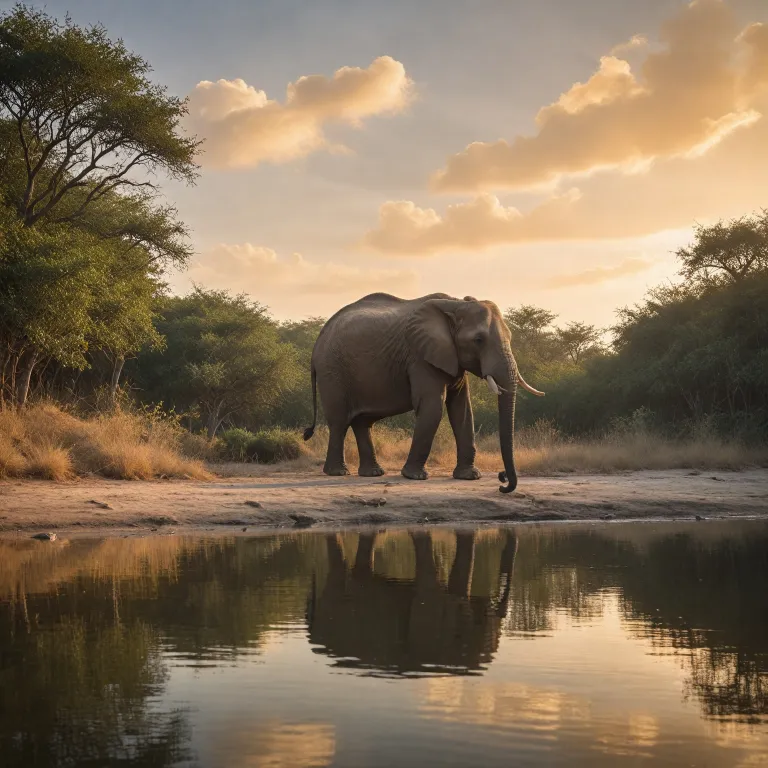
Beyond leopards, Yala’s reputation rests on its variety of wildlife species that thrive in the dry zone climate. Elephants move between waterholes, sloth bears forage for fruits and termites, and wild boar share the scrub with spotted deer and sambar. Bird species are equally impressive, with resident eagles, bee eaters, and storks joined by migrants that arrive during the dry season.
The generally recommended dry season runs from about February to July, when water levels drop and wildlife concentrates around remaining pools. During this period, guests at a coast tented lodge or luxury villa near the wild coast often enjoy intense morning game drives. However, the shoulder months outside the peak dry season can feel quieter, with softer light and fewer vehicles in the national park.
Rainier months bring lush greenery and dramatic skies over the park Sri landscape, which some photographers particularly appreciate. Animal movements become less predictable, yet patient travellers still encounter elephants, leopards, and rare sloth bears in different blocks. Whatever the month, engaging a certified guide is essential for reading tracks, interpreting behaviour, and maximising ethical wildlife sightings.
Choosing between yala, wilpattu, and other sri lankan national parks
When planning a lanka safari, many travellers compare Yala park Sri Lanka with Wilpattu National Park in the northwest. Both national parks protect leopards, elephants, and sloth bears, yet the atmosphere and logistics differ in meaningful ways. Understanding these contrasts helps you decide whether to focus on Yala Sri, Wilpattu, or a combination of both.
Yala National is more accessible from the southern beach resorts and the emerging wild coast region. Its road network, variety of blocks, and concentration of luxury properties such as Uga Chena Huts make it ideal for short, high impact stays. In contrast, Wilpattu National feels more remote, with dense forest, natural lakes, and fewer vehicles on a typical park safari.
Leopard sightings are often more frequent in Yala, while Wilpattu rewards patience with a stronger sense of wilderness and solitude. Some guests choose Yala for its best chance of seeing leopards and then add Wilpattu for a slower, more meditative experience. This twin park approach works particularly well for photographers and serious wildlife enthusiasts exploring multiple national parks in Sri Lanka.
For first time visitors, Yala park Sri Lanka usually offers the most straightforward logistics, especially when combined with southern beaches. The proximity of wild coast tented lodge options and chena huts style properties allows seamless transfers between ocean and national park. However, if you value silence over sightings, Wilpattu National may better match your expectations for a Sri Lankan wilderness retreat.
Luxury stays near yala: from wild coast tented lodge to uga chena huts
The area surrounding Yala park Sri Lanka has evolved into a refined hub for high end safari stays. Along the wild coast, tented lodge properties blend canvas, stone, and glass to frame uninterrupted views of the Indian Ocean. These coast tented retreats offer the comfort of a premium hotel while keeping you immersed in the sounds of the national park.
Uga Chena Huts is among the most renowned addresses for guests seeking privacy, gastronomy, and direct access to Yala National. Each hut style villa typically features a private plunge pool, generous living space, and interiors inspired by traditional chena huts used by local farmers. From here, early morning drives into the park Sri landscape are paired with leisurely afternoons by the sea.
Other luxury lodges and tented lodge camps position themselves closer to the park gates, reducing transfer times for dawn safaris. These properties often curate small group experiences, ensuring that each vehicle has ample space for photography and quiet wildlife observation. Many also employ in house naturalists who coordinate with your guide to tailor each park safari to your interests.
When comparing options, consider whether you prefer the raw drama of the wild coast or the convenience of staying nearer to park Yala entrances. Some travellers split their stay between a coast tented lodge and an inland retreat to experience both perspectives on Yala Sri. Whatever your choice, confirm that your property follows Department of Wildlife Conservation guidelines and supports local conservation initiatives.
Designing a premium safari itinerary around yala park sri lanka
A well structured itinerary around Yala park Sri Lanka balances game drives, relaxation, and cultural experiences. Most luxury travellers stay at least two or three nights, allowing four to six drives in Yala National and neighbouring areas. This rhythm increases your chances of varied wildlife sightings, from leopards and elephants to rare sloth bears and elusive bird species.
Many high end lodges schedule one park safari at sunrise and another in the late afternoon, when animals are most active. Between drives, guests can enjoy spa treatments, pool time overlooking the wild coast, or guided walks around the property. Some itineraries also include visits to nearby temples or ancient Buddhist sites that lie outside the core national park.
For a broader Sri Lankan journey, consider pairing Yala Sri with Wilpattu National or the central highlands. Starting in the tea country, then moving to Wilpattu, and ending at a coast tented lodge near Yala creates a compelling narrative. This route showcases different ecosystems, from misty hills to dry zone scrub and the open park Sri shoreline.
When planning, work closely with a specialist travel advisor or your chosen lodge’s reservations team to align transfers, blocks, and seasonal conditions. They can recommend which blocks are performing best for leopards, where elephants are congregating, and how the dry season is progressing. This level of detail ensures that your visit Yala experience feels both seamless and deeply personalised.
Responsible travel, expert guidance, and practical tips for visiting yala
Responsible travel is central to any premium stay near Yala park Sri Lanka, where fragile habitats face growing visitor pressure. The Department of Wildlife Conservation encourages guests to “Engage certified guides for safaris to ensure safety and informative experiences.” Following this advice supports local expertise while improving your understanding of the national park and its wildlife.
Certified guides know how to position vehicles respectfully during leopard sightings, manage time at crowded sightings, and interpret subtle animal behaviour. They also help you appreciate smaller species, from reptiles and insects to lesser known bird species that many visitors might otherwise overlook. This holistic approach turns each park safari into a richer, more educational encounter with Sri Lankan nature.
Guests should also respect speed limits, avoid loud conversations near animals, and never request off road driving in sensitive blocks. These simple behaviours protect nesting birds, resting leopards, and shy elephants that may be hidden in the scrub. Over time, such respect helps keep Yala National and other national parks viable for future generations of travellers.
Practical planning details matter as well, from choosing neutral clothing to packing binoculars and a soft camera bag for bumpy tracks. Aim to visit Yala during the recommended dry season window if wildlife density is your priority, but remain flexible about exact dates. With the right guide, a conservation minded lodge, and realistic expectations, your time in park Yala can feel both luxurious and ethically grounded.
Key statistics about yala national park
- Park area : approximately 979 square kilometres of protected land and coastline.
- Mammal diversity : around 44 recorded mammal species within the park.
- Avian richness : about 215 documented bird species across different habitats.
- Leopard density : close to one leopard per square kilometre in core zones.
Essential questions before planning your visit to yala
What is the best time to visit Yala National Park?
The optimal time to visit is between February and July when water levels are low, making wildlife more visible. During this period, animals gather around shrinking water sources, which increases the likelihood of memorable sightings on each park safari. Luxury travellers often secure reservations well in advance for this window, especially at sought after properties like Uga Chena Huts.
What wildlife can be seen in Yala National Park?
Visitors can observe leopards, elephants, sloth bears, sambar deer, spotted deer, wild boar, crocodiles, and a variety of bird species. This diversity allows each drive in Yala park Sri Lanka to feel different, even over a short stay. Photographers, families, and seasoned safari guests all appreciate the mix of iconic mammals and colourful birds across the park Sri landscape.
Are there cultural sites within Yala National Park?
Yes, the park contains significant cultural sites, including the ancient Buddhist pilgrim sites of Sithulpahuwa and Magul Vihara. These locations add a spiritual and historical dimension to a primarily wildlife focused itinerary around Yala Sri. Many luxury lodges can arrange guided excursions that combine gentle walks, storytelling, and respectful visits to these sacred places.