Why the Sri Lanka hotel chef dining experience now shapes where you stay
Across Sri Lanka, the most interesting hotel stories now begin in the kitchen. A new generation of Sri Lankan hotel chefs treats every dining experience as theatre, turning the once predictable buffet into a curated journey that makes dinner the reason to book a room. For couples planning a Lanka luxury escape, the right hotel restaurant can transform an ordinary evening meal into an intimate performance of Lankan hospitality.
Colombo leads this shift, with open kitchens and chef’s table counters where diners can read the rhythm of the brigade as clearly as the menu. Industry data from the Sri Lanka Tourism Development Authority and hotel groups such as Cinnamon Hotels & Resorts points to an increase in hotel dining reservations of around 15 percent over the last few seasons, driven by guests who choose properties specifically for their culinary experiences rather than just the rooms. This is the Sri Lanka hotel chef dining experience at its most focused, where service, food and setting are calibrated to create something quietly unforgettable for a couple or a multi-generation family.
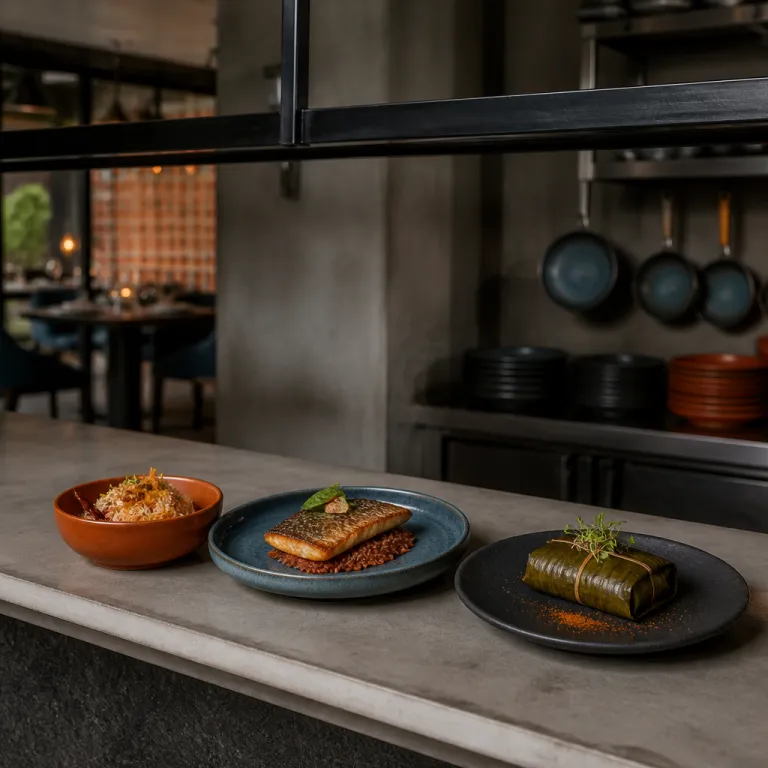
Hotel managers now treat the kitchen as a stage, inviting guests to watch skilled chefs plate Lankan food with the precision once reserved for European fine dining. The official explanation for this trend is simple and revealing: “A restaurant layout where the kitchen is visible to diners,” “To enhance transparency and engage guests,” and “It attracts food enthusiasts, boosting local tourism.” When you see local ingredients, fresh seafood and local spices handled in front of you, the connection between Sri Lanka and your plate becomes tangible rather than theoretical.
Colombo’s hotel kitchens: where fine dining meets the island’s pantry
In Colombo, the Sri Lanka hotel chef dining experience feels closest to a citywide food scene in motion. Along Galle Face and around the business district, restaurant Colombo addresses now matter as much as room categories, because the most ambitious Lankan cuisine is being plated inside grand hotel dining rooms rather than on anonymous high streets. Couples who care about culinary detail increasingly anchor their Sri Lanka itineraries around these dining experiences, then build beach and tea country stays around them.
Several flagship properties have embraced open kitchens and chef-led interactive dining, turning the chef’s table into prime real estate for visiting diners. At Shangri-La Colombo, for example, chefs at Central grill lagoon prawns and reef fish to order while explaining how each spice blend differs between Jaffna and the south, and at Galle Face Hotel’s 1864 restaurant the team plates contemporary takes on crab curry in full view of the dining room. Here, skilled chefs talk you through local ingredients sourced from coastal markets and upcountry farms while you watch your dishes come together. If you want a deeper primer before you book, the guide to Sri Lankan culinary immersion experiences worth booking offers a useful lens on which hotel restaurants are truly creating memorable evenings.
Colombo’s best hotel restaurants now treat familiar Sri Lankan food as a canvas rather than a constraint, elevating hoppers, kottu roti and string hoppers into fine dining compositions without losing their soul. Expect tasting menus that move from raw fresh seafood cured with lime and local spices to slow-cooked Lankan dishes that honour home-style techniques, all served with quietly attentive service. For couples, a counter seat at a chef’s table in a leading restaurant Colombo address can feel more intimate than traditional private dining, because you share the same performance while still inhabiting your own small world.
From farm to table: hotel estates where ingredients lead the story
Leave Colombo and the Sri Lanka hotel chef dining experience shifts from urban theatre to agricultural intimacy. In the hill country and on the south coast, Lanka luxury properties now plant their own gardens, turning hotel grounds into working estates where local ingredients are grown within walking distance of the pass. You taste the difference when a chef cuts herbs minutes before service or pulls vegetables from red earth that you crossed earlier that afternoon.
At these properties, the farm is not a marketing line but a daily discipline that shapes every dining experience, from breakfast to the final evening meal. Chefs design menus around what the garden and nearby farmers can supply, which means diners encounter Lankan food that changes with the weather rather than with global trends. At Ceylon Tea Trails, for instance, menus are rewritten each day based on what the estate gardens and surrounding smallholdings provide, while on the south coast resorts such as Cape Weligama build curries around just-landed tuna and village-grown okra. This approach has helped create a more grounded food scene, one where Lankan cuisine feels rooted in place and season, and where couples can read the landscape on their plates as clearly as from their terrace.
Some estates pair this with open kitchen concepts, so you can watch skilled chefs move from crate to pan while you sit at a chef’s table overlooking tea or paddy. For a broader sense of how this movement connects coastal grills, inland retreats and the capital, explore the feature on the new Lankan dining scene from Colombo to Galle. When you see how carefully local spices, fresh seafood and garden vegetables are handled across these hotels, you understand why Sri Lanka now attracts diners who travel first for food and only then for beaches.
Signature hotel tables: when dinner becomes the destination
Some Sri Lanka hotel chef dining experience highlights now function almost like stand-alone attractions, drawing guests who would not otherwise stay the night. Think of cliff-edge pavilions where a single chef’s table hosts just four diners, or candlelit courtyards where a Lankan chef grills fresh seafood over coconut husk embers while the sea thuds beyond the wall. These are not generic fine dining rooms but carefully staged spaces where every element, from lighting to plateware, is tuned to the food.
In these settings, private dining takes many forms, from a secluded table in a spice garden to a counter seat inches from the plancha where your dishes are finished. Couples often book these experiences to mark anniversaries or the final evening of a Sri Lanka journey, trusting the kitchen to handle both the meal and the mood. The best teams understand that Lankan hospitality is as much about pacing and silence as it is about service, leaving space between courses for you to talk, listen to the surf or simply read each other’s reactions to a particularly intense curry.
Hotel chefs here balance tradition and innovation with care, reworking Lankan cuisine without reducing it to novelty. A classic Sri Lankan rice and curry might arrive as a sequence of small plates, each focused on a single vegetable or protein, while a familiar hopper becomes a crisp vessel for crab and local spices rather than a breakfast staple. When these dining experiences work, they end up creating memorable anchors for your trip, the kind of evenings that shape how you remember Sri Lanka and its food long after you have checked out.
Breakfast, blue whales and how to book the right table
For all the attention on tasting menus, the quiet star of the Sri Lanka hotel chef dining experience is often breakfast. A proper Sri Lankan morning spread can feel like a survey of Lankan food in miniature, from egg hoppers and pol sambol to lentil dhal, coconut roti and just-baked bread. When skilled chefs treat this first meal with the same care as fine dining dinners, couples start their day with a sense of place that no infinity pool can match.
Booking strategy matters if you want the best dining experiences, especially in high season when hotel occupancy and restaurant demand rise together. Reserve in advance for chef’s table counters, special private dining setups on the beach and any grand hotel event menus that rely on limited fresh seafood deliveries. If your itinerary includes wildlife or marine excursions, such as a stay near Mirissa for blue whale watching, pair your planning with a read of the guide to front row stays for Mirissa’s marine season so that your evening meal matches the drama of your day.
When you evaluate hotel options, look beyond room photos to the depth of their food and service culture, paying attention to whether they highlight local ingredients, open kitchens or collaborations with Sri Lankan hotel chefs. Properties that participate in events such as the Culinary Art Food Expo in Colombo or international Sri Lanka food festivals tend to invest seriously in their culinary teams and training. Those are the places where the kitchen truly becomes a stage, and where Lankan hospitality, thoughtful dishes and a quietly confident brigade work together in creating memorable nights that justify crossing oceans.
FAQ
What is an open kitchen concept in Sri Lankan hotel restaurants ?
An open kitchen in a Sri Lanka hotel restaurant is a layout where guests can see the entire cooking area from the dining room. This design allows diners to watch skilled chefs prepare Lankan cuisine, handle local ingredients and plate dishes in real time. It turns the Sri Lanka hotel chef dining experience into a more transparent and engaging performance.
Why are more Sri Lankan hotels adopting chef’s tables and interactive dining ?
Hotels across Sri Lanka are embracing chef’s table formats and interactive counters to deepen the connection between guests and the kitchen. These setups let diners talk directly with the chef about local spices, fresh seafood and the stories behind each dish. As a result, the dining experience feels more personal, and many couples now choose properties specifically for these intimate meals.
How does this culinary trend affect tourism in Sri Lanka ?
The rise of performance-driven hotel dining experiences has made food a primary reason to visit Sri Lanka for many travelers. When restaurants in Colombo and resort kitchens along the coast focus on authentic Sri flavours and Lankan hospitality, they attract visitors who might previously have overlooked the island’s food scene. This shift supports local producers, encourages longer stays and contributes to higher overall tourism revenue.
Do I need to reserve hotel dining experiences in advance ?
Advance reservations are strongly recommended for chef’s tables, special tasting menus and private dining setups at Lanka luxury properties. These experiences often rely on limited local ingredients or small seating capacities, especially in grand hotel venues and popular restaurant Colombo addresses. Booking early ensures you secure the time and setting that best fits your itinerary and preferred evening meal.
What should I look for when choosing a hotel for its food ?
When selecting a hotel for the Sri Lanka hotel chef dining experience, focus on how seriously the property treats its culinary programme. Look for mentions of open kitchens, partnerships with Sri Lankan hotel chefs, use of local ingredients and participation in recognised food events or festivals. Hotels that highlight these elements usually offer more thoughtful dishes, better service and a stronger sense of place at every meal.