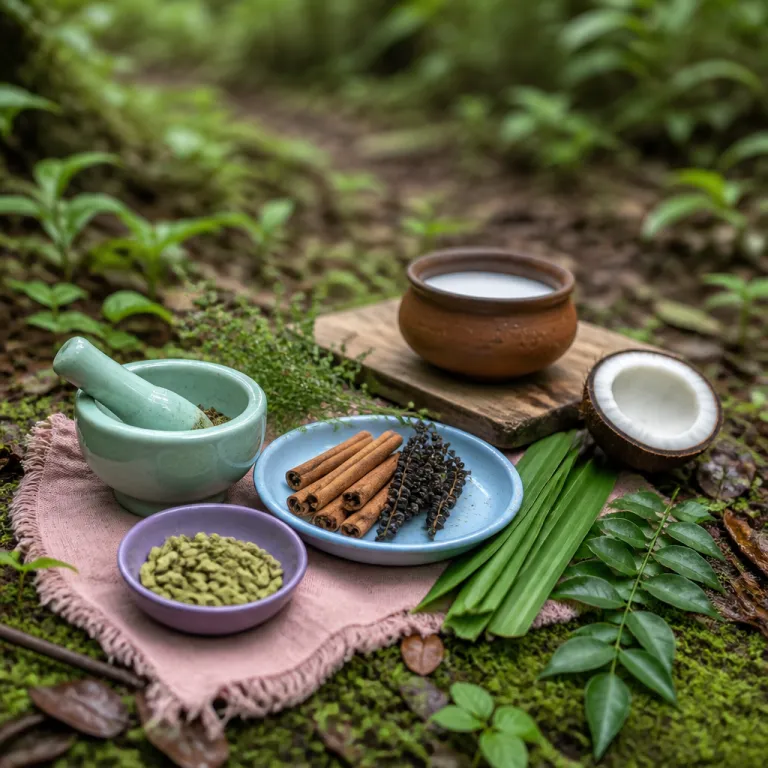
Sri Lanka spice trail cooking class as a family journey
A Sri Lanka spice trail cooking class can anchor a family itinerary through the island’s interior, turning hotel days into a thread of shared flavours. When you weave cooking, gentle farm walks and a market visit into your stay, children stop being passive passengers and start leading the conversation about what to eat next. This is where a luxury hotel booking on a site like mysrilankastay.com becomes a gateway to Sri Lankan cooking experiences rather than just a room with a pool.
The most rewarding route runs from Kandy through Matale to Dambulla, a compact belt where spice gardens, village kitchens and serene properties sit within an easy day’s drive. Along this journey families can base themselves in refined hotels near Kandy’s lake, then move to a more rustic lodge near Matale’s plantations, before finishing in a polished Dambulla retreat with views over paddy fields and space for children to roam. Each stop can host a different cooking class or series of classes, so your culinary experience evolves from simple sambols to more complex Sri Lankan recipes.
Think of it as a layered journey rather than a single tour, where each hotel curates one chapter of the spice story. One property might focus on the rich culinary heritage of rice and curry, another on the role of spices in temple food, and a third on how contemporary chefs reinterpret Lankan dishes for modern palates. The result is a sequence of happy memories that feel both indulgent and quietly educational for every generation.
From Kandy to Matale: markets, cinnamon and hotel kitchens
Kandy is the natural starting point for a Sri Lanka spice trail cooking class, with its cool air, lakefront promenades and easy access to the hill country. Here, a well chosen luxury hotel can arrange a guided visit to the central market, where baskets of cardamom, pepper and nutmeg sit beside piles of leafy greens and still warm hoppers. Families who book a class local to the city often begin with this sensory walk, letting children smell individual spices before they ever touch a pan.
Look for hotels that partner with respected home cooks for small group cooking classes rather than staging everything in a polished demonstration kitchen. A good class format in Kandy or Matale will start with a spice sorting session, move into hands on cooking, then end with a shared meal where Sri Lankan food is served family style. This kind of immersive experience turns abstract talk of local flavours into something tangible, from the snap of a mustard seed in hot oil to the gentle heat of true cinnamon grown in Sri Lanka.
For deeper context, many travellers now pair their Sri Lanka spice trail cooking class with reading on the wider spice routes, such as Eleanor Ford’s The Nutmeg Trail: Recipes and Stories Along the Ancient Spice Routes (2022), which traces how nutmeg, cloves and other aromatics shaped trade from Indonesia to India and beyond. This broader lens helps parents explain to children how the spices in their curry connect Kandy’s markets to ports across Asia, and why Ceylon cinnamon remains so prized.
When planning your stay, use insider style guides to culinary immersion, such as the detailed overview of hotel based cooking experiences on Sri Lankan culinary immersion experiences worth booking. These resources help you reserve a spot in classes that respect traditional practices while still feeling comfortable for younger guests. They also highlight which properties balance structured lessons with enough free time by the pool or in the gardens, so the day never feels like school.
Matale to Dambulla: spice gardens, foraging and family friendly kitchens
Leaving Kandy, the road to Matale threads through low hills where pepper vines climb living trees and clove buds dry on woven mats, making this stretch ideal for a Sri Lanka spice trail cooking class with a strong farm component. Many luxury and premium hotels in this corridor now collaborate with long established spice gardens, offering guests a guided walk through cinnamon, cardamom and nutmeg plots before any cooking begins. Children tend to remember the feel of cinnamon bark under their fingers and the scent of crushed curry leaves far longer than a museum label.
Choose a property that frames the garden as a working landscape rather than a theme park, with a focus on authentic Sri Lankan agricultural rhythms. A thoughtful tour might include a short walk to see how pepper is harvested, a stop at a rustic shed where spices are dried, and a simple tasting of herbal infusions made from leaves grown on site. After this, families move into an open air kitchen where a class local to the village teaches recipes such as jackfruit curry, tempered greens and coconut sambol, using the very spices they saw on the trail.
As you continue towards Dambulla, the landscape opens into paddy fields and rocky outcrops, and hotels here often lean into wellness as much as food. This is a good place to balance your Sri Lanka spice trail cooking class with slower rituals like forest walks or gentle yoga, especially if you are inspired by guides to Sri Lanka’s new wellness frontier. Combining a morning cooking class with an afternoon swim and an early evening sound bath can turn a simple day into a layered experience that adults and children recall years later with equal clarity.
For families curious about how Sri Lanka came to be ranked among the world’s great food destinations, it is worth reading analyses such as the feature on how the island was recognised among top global food cultures on Sri Lanka’s rising food reputation. These pieces underline why a focus on Lankan cuisine is not a niche interest but a central way to understand the country. When children grasp that the dal on their plate sits within a rich culinary story that spans centuries, their curiosity about each new dish tends to deepen.
Coastal spice routes: Colombo, Negombo and Ella as bookends
While the heart of a Sri Lanka spice trail cooking class lies inland, the coastal cities and hill stations make elegant bookends to your journey. Colombo is often your first or last stop, and a well chosen luxury hotel here can arrange a class Colombo style session that focuses on urban Sri Lankan cooking, from crab curries to street side kottu roti. Many of these cooking classes include a morning market visit to Pettah, where children can watch porters weave through lanes stacked with sacks of spices and dried fish.
In Negombo, close to the airport, families can ease into or out of the trip with a gentler cooking experience that leans on the lagoon’s seafood and the town’s layered history. Some hotels offer a half day tour that begins with a walk along the fish market at early Negombo hours, continues with a visit to a nearby spice stall, then ends in a shaded garden kitchen where a class local to the area teaches coconut rich Sri Lankan recipes. This is a good moment to reserve a spot in a shorter cooking class, especially if younger children are still adjusting to the climate.
Ella, though better known for tea country views and hiking, has quietly developed a scene for relaxed Sri Lankan cooking lessons in homely, rustic kitchens. Families staying in premium lodges here can join a Sri Lanka spice trail cooking class that pairs a short walk through vegetable plots with a hands on session focused on hill country dishes, such as gotu kola salads and lentil stews. The cooler air makes it easier for children to focus on tasks like grinding spices or shaping string hoppers without tiring quickly.
Across Colombo, Negombo and Ella, the key is to treat each cooking class as one tile in a mosaic rather than a standalone attraction. A class Colombo session might highlight the cosmopolitan side of Sri Lankan cuisine, while a Negombo day focuses on seafood and an Ella afternoon leans into vegetables and herbs. When you stitch these together with your inland spice trail, the result is a journey that feels both coherent and varied.
What children gain from the Sri Lanka spice trail
For families, the real luxury of a Sri Lanka spice trail cooking class is not the polished kitchen but the way it pulls children into the story of the place. Young travellers who might ignore a temple inscription will often lean forward when a cook shows them how to roast spices until they pop, or invites them to taste coconut milk straight from the shell. This kind of hands on experience turns abstract geography into something they can smell, stir and eat.
Educationally, a well designed class local to each region can touch on history, ecology and culture without ever feeling didactic. When a guide explains that Sri Lanka produces a large share of the world’s true cinnamon, then shows the difference between that and cassia, children grasp why spice once shaped empires. A walk through a garden where pepper, cloves and cardamom grow side by side becomes a living lesson in biodiversity and traditional practices, especially when paired with stories of how families tended these plots years ago.
Emotionally, shared cooking classes often become the anchor memories of a trip, the moments everyone recalls long after hotel names fade. Parents remember the quiet pride on a child’s face when their first dhal turns out well, while children remember the laughter around a rustic table as they eat the Sri Lankan food they helped prepare. These happy memories are what justify choosing hotels that invest in thoughtful cooking classes and spice trail experiences, even if they sit a little further from the main road.
For practical planning, look for properties that limit group size, offer flexible timing for a half or full day class, and understand the different attention spans of adults and children. Ask whether the cooking class includes a market visit, a garden walk or both, and whether recipes will be shared in writing so you can recreate Sri Lankan dishes at home. When a hotel answers these questions with clarity and enthusiasm, it is usually a sign that your Sri Lanka spice trail cooking class will feel as carefully curated as the rest of your stay.
FAQ
Is a Sri Lanka spice trail cooking class suitable for young children
Most Sri Lanka spice trail cooking class experiences offered by luxury and premium hotels are suitable for children from around six years old, provided sessions are kept short and hands on. Properties that work regularly with families usually adapt tasks so younger guests focus on washing vegetables, grinding spices or shaping hoppers, while adults handle knives and heat. When booking, ask the hotel to describe how they tailor the cooking experience to different ages and whether breaks or garden walks are built into the day.
How many days should we plan for the Kandy–Matale–Dambulla spice route
To enjoy the Kandy–Matale–Dambulla corridor at a relaxed pace, most families benefit from at least four to five days. This allows two or three separate cooking classes, time for a market visit in Kandy, a spice garden walk in Matale and a slower day by the pool or at the Dambulla property. With this rhythm, children stay engaged without feeling rushed, and adults have space to appreciate the rich culinary context of each stop.
Do we need prior cooking skills to enjoy these classes
No prior cooking skills are required for a Sri Lanka spice trail cooking class, as most hotel partners design sessions for beginners. Instructors typically demonstrate each step, then guide guests through tasks like tempering spices, tasting for balance and plating Sri Lankan food. More confident cooks can ask for extra techniques or additional recipes, while novices simply enjoy the process and the shared meal.
How do hotel based classes differ from standalone village classes
Hotel based cooking classes usually offer more structured timing, comfortable facilities and easier logistics, which suits families with children. Standalone village classes, often reached by a short tour or walk, can feel more rustic and immersive, with closer contact to local households and traditional practices. Many travellers choose a mix of both, using hotel classes for convenience and one village based cooking experience for deeper cultural connection.
Can we recreate the dishes from our Sri Lanka spice trail cooking class at home
Most reputable providers share written Sri Lankan recipes or digital booklets at the end of a Sri Lanka spice trail cooking class, making it easier to cook the dishes again. While some spices may be harder to source, instructors usually suggest substitutes and explain which flavours are essential. Bringing home a small selection of high quality spices, bought during a supervised market visit, helps you preserve the tastes and happy memories of your journey long after the trip ends.